Analyzing RNG Calibration Patterns in Networked Progressive Reel Systems on Regulated Mobile Platforms
Lars Keller · Jul 13, 2026
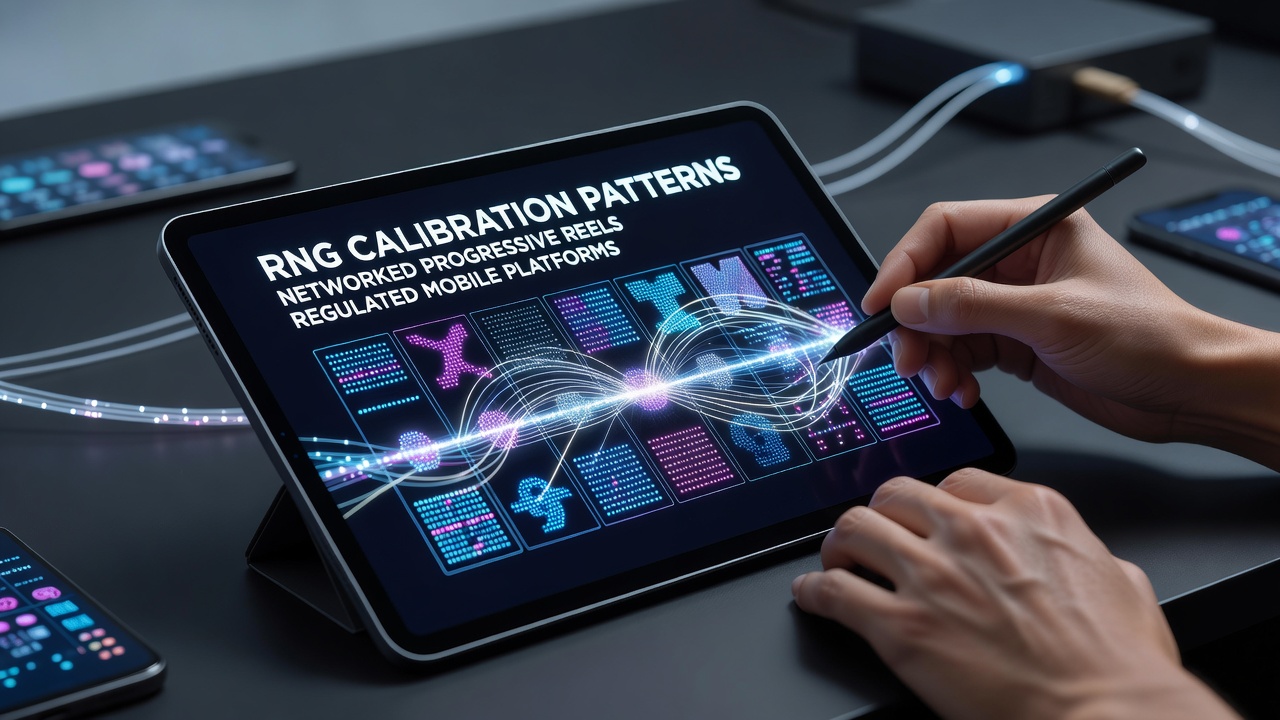
Analyzing RNG Calibration Patterns in Networked Progressive Reel Systems on Regulated Mobile Platforms
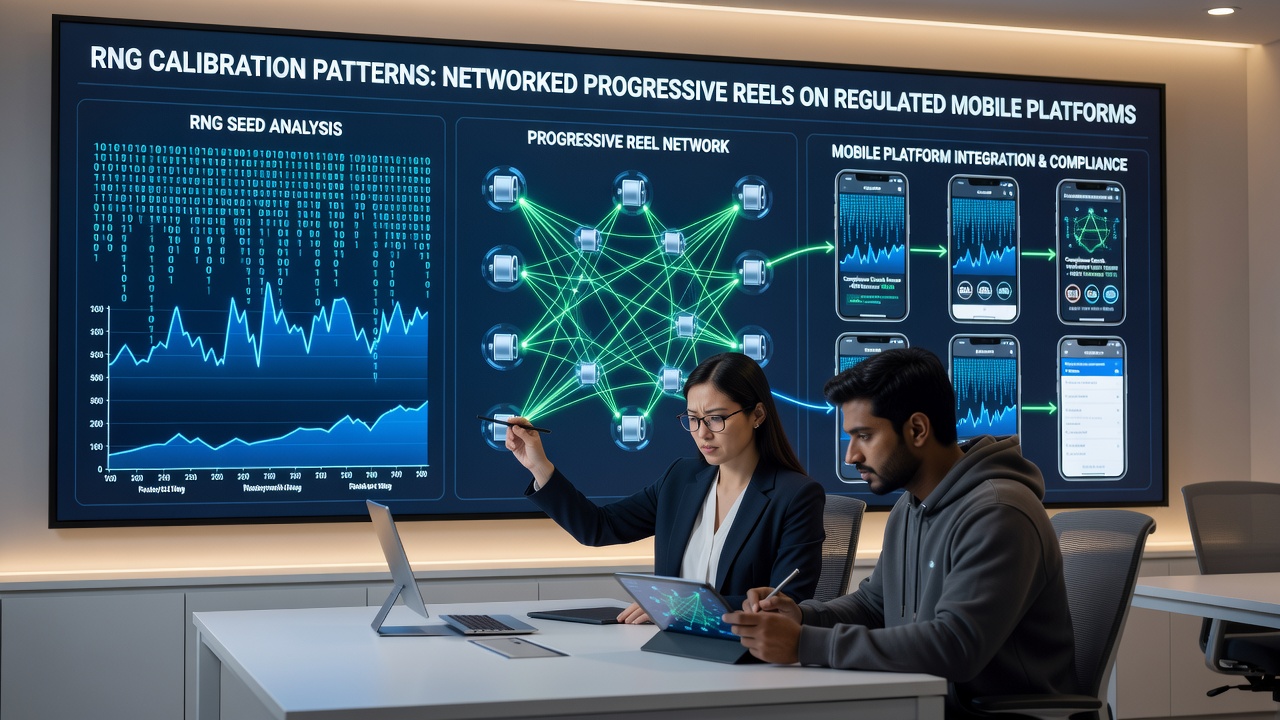
Networked progressive reel systems operate by linking multiple mobile gaming terminals to shared jackpot pools, and random number generator calibration ensures outcome distribution remains statistically balanced across those connections. Data from regulatory testing labs indicates that calibration routines adjust seed values and cycle frequencies at regular intervals to prevent clustering in payout sequences, while mobile platforms introduce additional variables such as network latency and device-specific processing speeds that must factor into the calibration process.
Core Mechanics of RNG in Progressive Environments
Random number generators in these setups rely on algorithms that produce sequences meeting predefined statistical criteria, and calibration involves mapping those sequences onto reel positions so that each symbol combination maintains its expected probability. Observers note that progressive systems add layers because contributions from every wager across the network feed into growing jackpots, which means calibration must account for both base game returns and the incremental jackpot increments that occur in real time. Research indicates calibration patterns often follow periodic audits where independent laboratories verify that the RNG output continues to align with theoretical return-to-player percentages even as the progressive pool expands.
Mobile Platform Constraints and Calibration Adjustments
Regulated mobile platforms transmit game states over cellular or Wi-Fi connections, and calibration routines incorporate checks for packet loss or reconnection events that could otherwise disrupt the continuous number stream. Those who design these systems report that calibration intervals shorten during peak usage periods because higher transaction volumes increase the risk of sequence repetition if seed values are not refreshed promptly. Studies conducted on live networks show that device heterogeneity, ranging from different operating systems to varying screen resolutions, requires calibration parameters to include device fingerprinting so that each terminal receives a tailored subset of the overall RNG cycle without compromising fairness across the entire progressive pool.
Calibration logs from several jurisdictions reveal that adjustments occur in response to detected deviations exceeding 0.5 percent from expected distribution curves, and these logs are submitted to oversight bodies for review. Mobile-specific protocols further require that calibration resets happen automatically after any software update or operating system patch, because even minor changes in floating-point arithmetic can shift outcome probabilities enough to trigger compliance flags.
Regulatory Oversight Across Regions
Regulatory frameworks in multiple regions mandate continuous monitoring of RNG calibration, and authorities require operators to maintain immutable records that third-party auditors can access on demand. The New Jersey Division of Gaming Enforcement publishes technical standards that specify how calibration events must be timestamped and how deviation thresholds trigger mandatory system halts. In parallel, Canadian regulators such as the Alcohol and Gaming Commission of Ontario have adopted similar requirements that emphasize cross-platform consistency when progressive reels span both land-based and mobile terminals. Data collected through these oversight programs shows that calibration events average between four and seven per month per major progressive title, with spikes occurring after major software releases or network infrastructure changes.
Patterns Observed in Calibration Data
Analysis of anonymized calibration records indicates recurring patterns tied to jackpot size thresholds, where systems recalibrate more aggressively once a progressive pool exceeds defined milestones. Those patterns also correlate with time-of-day usage cycles, because mobile traffic peaks in evening hours create denser transaction streams that calibration algorithms must accommodate without altering symbol probabilities. Researchers examining multi-year datasets have identified that calibration drift tends to appear first in secondary jackpot tiers rather than the main progressive prize, allowing operators to address smaller imbalances before they affect headline jackpots.
Networked environments introduce synchronization challenges because each participating mobile device must pull the current calibration state from a central server, and any desynchronization can produce inconsistent outcomes until the next scheduled refresh. Calibration protocols therefore embed checksums and version identifiers that force devices to update their local RNG parameters before accepting new wagers, a safeguard that regulators in several markets now list as a minimum technical requirement.
Technical Implementation on Mobile Devices
Implementation on mobile devices often combines hardware-based entropy sources with software algorithms, and calibration routines periodically validate that the combined output still meets uniformity tests. Device manufacturers supply updated entropy drivers at intervals, and operators must re-certify their RNG implementations after each driver update to maintain regulatory approval. Calibration logs from July 2026 onward document increased frequency of these re-certifications coinciding with widespread adoption of 5G network slicing, which altered latency profiles enough to warrant fresh statistical verification across multiple jurisdictions.
Those responsible for system maintenance report that mobile calibration also accounts for battery-saving modes and background process restrictions that can interrupt the RNG stream mid-cycle. Mitigation involves caching pre-calibrated sequence blocks on the device so that brief interruptions do not force a full server round-trip, yet each cached block remains subject to the same audit trail as live server-generated numbers.
Conclusion
Calibration of RNG systems within networked progressive reels on regulated mobile platforms follows documented patterns shaped by transaction volume, device diversity, and regulatory thresholds. Records maintained by testing laboratories and oversight agencies demonstrate that periodic adjustments preserve statistical integrity even as networks scale and mobile technologies evolve. Continued monitoring through established technical standards ensures that progressive outcomes remain consistent across all connected terminals regardless of platform or connection type.