British Reel Evolution: How Iconic Symbols Adapt Across Mobile Video Formats at Regulated UK Operators
Dana Becker · Jun 8, 2026
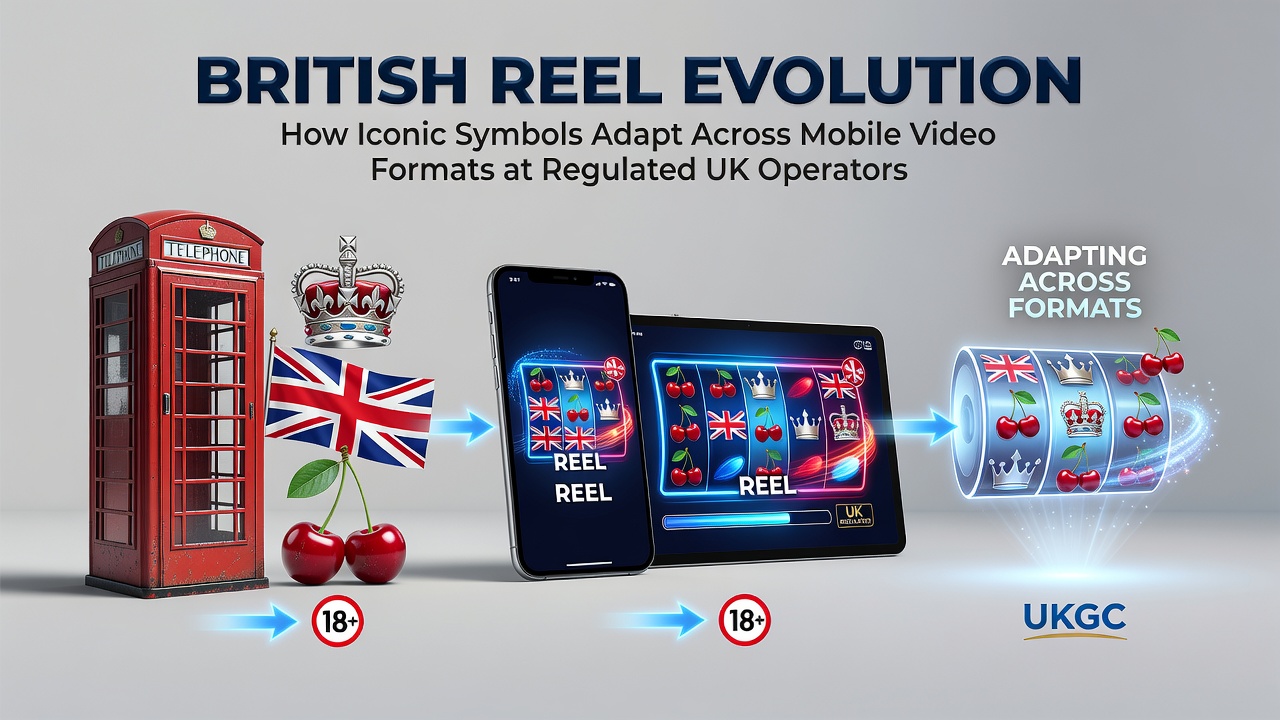
British Reel Evolution: How Iconic Symbols Adapt Across Mobile Video Formats at Regulated UK Operators
British slot symbols trace their roots to early 20th-century mechanical machines where fruits, bars, bells and sevens formed the core visual language and these icons migrated into digital environments as video slots emerged in the 1990s. Operators at regulated UK sites began integrating these symbols into HTML5 frameworks that scale automatically across screen sizes while preserving recognition value for players who encounter the same motifs on smartphones as they once did on land-based cabinets.
Origins of Iconic Reels and Their Digital Transition
Classic symbols such as cherries, lemons and lucky sevens originated in physical reels where physical constraints limited animation yet mobile video formats introduced fluid motion and layered graphics that retain the original silhouettes while adding depth through particle effects and subtle rotations. Research from the American Gaming Association shows that symbol recognition rates remain above 85 percent when operators maintain consistent color palettes and shapes across device types and this consistency supports player retention in portrait and landscape modes alike.
Mobile Format Adaptations at Regulated Sites
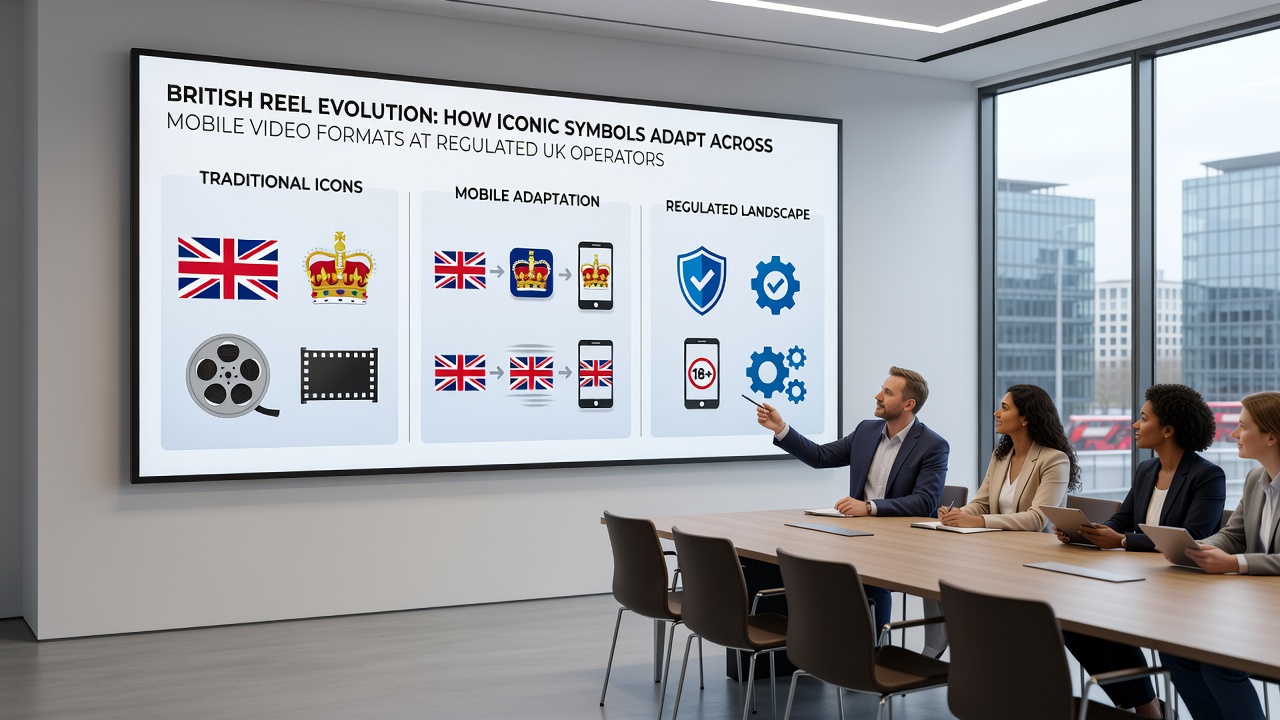
Regulated operators adjust reel layouts to accommodate varying aspect ratios because mobile screens range from compact 5-inch displays to larger tablets where symbols expand without distortion through vector-based rendering that preserves edge clarity. Touch targets enlarge around interactive elements so players can trigger bonus features by tapping individual icons and developers embed responsive code that detects orientation changes then repositions paylines accordingly. Data from the Australian Communications and Media Authority indicates mobile video slots now account for over 70 percent of session time at comparable international markets which prompted UK operators to prioritize symbol scalability in their June 2026 platform updates.
Animation and Interactivity Enhancements
Static symbols evolved into animated sequences where a spinning bell might emit light particles or a fruit cluster could morph during winning combinations yet core outlines stay intact so players instantly identify familiar icons. Observers note that operators test symbol behavior across multiple browsers and operating systems to ensure frame rates remain stable above 60 fps even on older devices while compression algorithms reduce load times without sacrificing visual fidelity. Studies published by the University of Nevada Gaming Research Center reveal that adaptive animations increase engagement metrics by measurable margins when symbols respond to user gestures such as swipes that accelerate reel spins.
Regulatory Context and Technical Standards
Technical standards require symbols to meet visibility thresholds on all approved devices so operators conduct audits that verify contrast ratios and minimum icon sizes remain compliant before releasing new mobile video titles. European industry groups track how symbol libraries migrate between formats and report that consistent iconography across channels reduces confusion for users who switch between desktop and handheld play within the same session. In June 2026 several platforms rolled out unified symbol packs that automatically adjust particle density based on detected bandwidth which maintains performance during peak traffic periods without altering the underlying design language.
Case Examples of Symbol Migration
One operator transitioned a traditional bar-and-bell theme into a video series where the bars gained metallic sheen and reflective surfaces that react to virtual lighting while the bell retained its original chime audio cue for continuity. Another site introduced a fruit-based game that uses parallax scrolling on mobile so background layers shift slightly when the device tilts giving depth to cherries and plums that otherwise appear flat on smaller screens. These modifications demonstrate how legacy symbols receive incremental upgrades that respect original proportions yet exploit the capabilities of modern video rendering pipelines.
Conclusion
Iconic British reel symbols continue to evolve through deliberate technical choices that balance heritage with mobile video requirements and operators maintain these adaptations under established regulatory frameworks. The process involves iterative testing across device ecosystems combined with data-driven refinements that keep symbols legible and engaging regardless of format. As platforms advance through 2026 and beyond the same core icons persist in updated visual contexts that reflect ongoing shifts in player interaction patterns.