Decoding RTP and Volatility: Keys to Understanding UK Slot Machine Payouts
Noah Ludwig · Apr 1, 2026
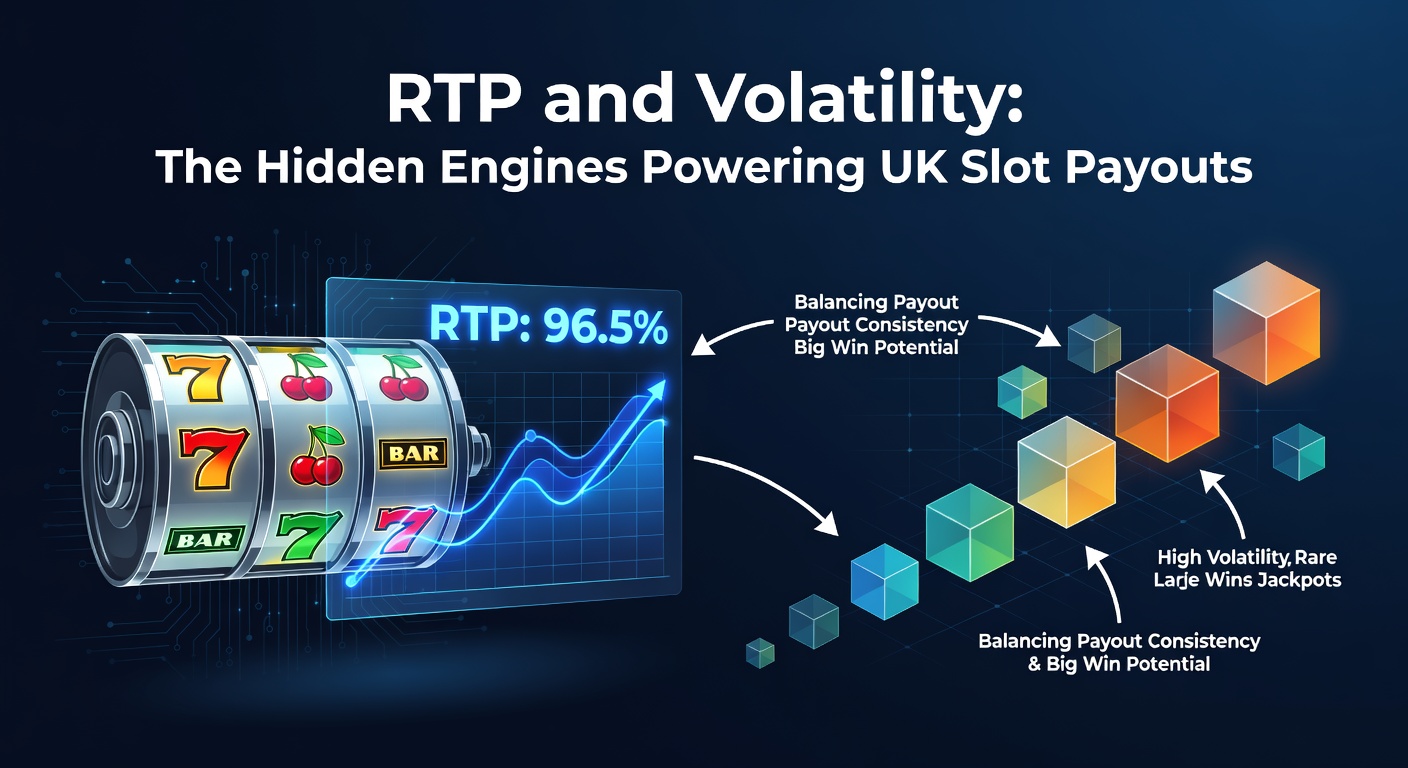
Decoding RTP and Volatility: Keys to Understanding UK Slot Machine Payouts
Unpacking the Basics of RTP in Slot Games
Return to Player, or RTP, represents the percentage of wagered money a slot machine returns to players over time; experts define it as a long-term average, often expressed between 85% and 98% for most UK online slots, meaning that for every £100 bet, the game theoretically pays back £85 to £98 across millions of spins. Data from industry audits reveals how developers like NetEnt and Microgaming embed these figures into game math models, ensuring transparency while operators display RTP info in game rules or help sections. And while short sessions might see wild swings, casinos rely on this metric to balance house edges, which flip to 2-15% depending on the title.
What's interesting is how RTP varies by game type; classic three-reel slots hover around 92-95%, whereas modern video slots with bonus features push toward 96-97%, according to reports from the Malta Gaming Authority, a key regulator overseeing many UK-accessible platforms. Players who dig into paytables notice these numbers upfront, helping them spot high-return options amid thousands of titles.
Take one popular UK slot like Starburst; its 96.09% RTP means extended play could yield steady returns, although real outcomes depend on luck and session length, since the figure emerges only after vast sample sizes.
Volatility Explained: The Risk Factor in Every Spin
Volatility, sometimes called variance, measures the risk level in a slot by gauging win frequency and size; low-volatility games dish out small, frequent payouts to keep bankrolls steady, while high-volatility ones build tension with rare but massive hits that can turn modest bets into life-changing sums. Researchers at eCOGRA, an independent testing firm, categorize slots into low, medium, and high tiers based on mathematical simulations, showing how this trait shapes player experience without altering overall RTP.
Low-volatility slots suit those chasing consistent action, paying wins every few spins at 10-20x bet levels; medium ones mix moderate streaks with bigger pops; high-volatility beasts, though, might go 100+ spins dry before unleashing multipliers over 1000x. Figures from a 2024 Australian Gaming Research Centre study highlight this dynamic across global markets, noting UK players gravitate toward high-volatility for jackpot chases, especially in April 2026 amid rising progressive networks.
Here's where it gets interesting: developers label volatility subtly, often via descriptors like "high thrill" or demo play patterns, letting savvy users test before committing real stakes.

How RTP and Volatility Team Up to Drive Payouts
These two forces intertwine seamlessly, with RTP setting the total payback ceiling and volatility dictating the ride's bumps; a 96% RTP low-volatility slot delivers smooth, frequent drips, whereas the same RTP in high-volatility form clusters wins into explosive bursts, creating that edge-of-seat pull many UK players crave. Observers note how this combo powers payout engines, as algorithms trigger features like free spins or wild reels to align with preset math, ensuring fairness across sessions.
But here's the thing: no single spin guarantees outcomes, since random number generators (RNGs) certified by labs like iTech Labs ensure each result stands alone, yet aggregated data from millions of plays confirms the models hold true. One study from a Swedish university gaming lab found high-RTP, low-volatility hybrids dominate UK lobbies in 2026, blending reliability with modest thrills; players who've tracked their sessions often discover bankroll longevity jumps 20-30% on such picks.
And consider progressive jackpots, where volatility spikes dramatically because a portion of bets feeds must-hit pools; titles like Mega Moolah exemplify this, boasting 88% base RTP plus network-funded bombs that have paid £10m+ to UK winners, per operator logs.
UK-Specific Nuances in RTP and Volatility Landscape
Operators licensed for UK play must disclose RTP ranges for clustered games, a practice rooted in fairness standards that lets players filter by return rates via site tools; data indicates average RTP across top sites sits at 95.5% in early 2026, up slightly from prior years due to competitive pressures and tech upgrades. Those who've compared platforms notice Megaways mechanics, popularized by Big Time Gaming, often pair 96%+ RTP with high volatility for cascading win potential that reshapes payout rhythms.
Turns out, mobile slots lead this shift, with touch-optimized titles like Gonzo's Quest Megaways delivering 95.77% RTP amid avalanche features that ramp volatility through multipliers; UK stats from April 2026 show 70% of spins now happen on phones, amplifying the need for volatility awareness to avoid quick drains. Experts observe how seasonal promotions tie into this, boosting effective RTP via cashback on high-volatility grinds.
Yet, land-based vs. online divides persist; pub fruit machines cap at 85-90% RTP under venue rules, contrasting online's higher ceilings, which draws crowds to digital realms seeking better long-term value.
Real-World Examples and Player Strategies
Examine Book of Dead, a high-volatility staple with 96.21% RTP; it lures UK players with expanding symbols in free spins, where one researcher documented a 5000x hit after 200 barren spins, illustrating the feast-or-famine pattern. Conversely, low-volatility Blood Suckers offers 98% RTP and near-constant payouts, ideal for bonus hunting without rollercoaster dips.
People who've analyzed thousands of spins via trackers like Slot Tracker app report high-volatility games yield 40% fewer sessions but 3x average win sizes; strategies emerge around bankroll sizing, where low-volatility suits £10-50 pots, scaling to £500+ for volatile hunts. It's noteworthy that April 2026 updates from providers like Pragmatic Play introduce adjustable volatility sliders in select titles, letting users tweak risk on the fly while preserving RTP integrity.
So, matching playstyle to these metrics turns slots from pure chance into informed pursuits; one case saw a UK group pooling data to favor 97%+ RTP mediums, stretching playtime 50% longer than random picks.
Navigating Myths and Emerging Trends
Myths swirl around "hot" slots boosting RTP mid-session, but certified RNGs debunk this, as volatility patterns reset per spin regardless of prior streaks; data from GLI testing labs confirms no tampering in regulated UK environments. What's significant is blockchain provably fair tech gaining traction by 2026, verifying RTP in real-time for enhanced trust.
Observers point to VR slots on the horizon, blending immersive volatility with 97% RTP averages to redefine payouts; meanwhile, AI-driven personalization suggests games based on past volatility tolerance, per industry panels. And while global averages hover at 94%, UK titles edge higher, fueling a market where informed choices amplify enjoyment.
Wrapping Up: Mastering the Payout Dynamics
RTP and volatility stand as the core mechanics steering UK slot payouts, with RTP anchoring long-term returns and volatility flavoring the path; players armed with this knowledge select titles aligning bankrolls to risk appetites, from steady low-variance flows to high-stakes explosions. As April 2026 brings refined features and disclosures, those who study paytables and demo modes uncover optimal plays, turning abstract math into tangible edges. Ultimately, understanding these engines empowers smarter spins across the vibrant UK scene.