Decoding the Algorithms: Random Number Generators in Bonus-Featured Slot Machines
Noah Ludwig · Jun 6, 2026
Decoding the Algorithms: Random Number Generators in Bonus-Featured Slot Machines
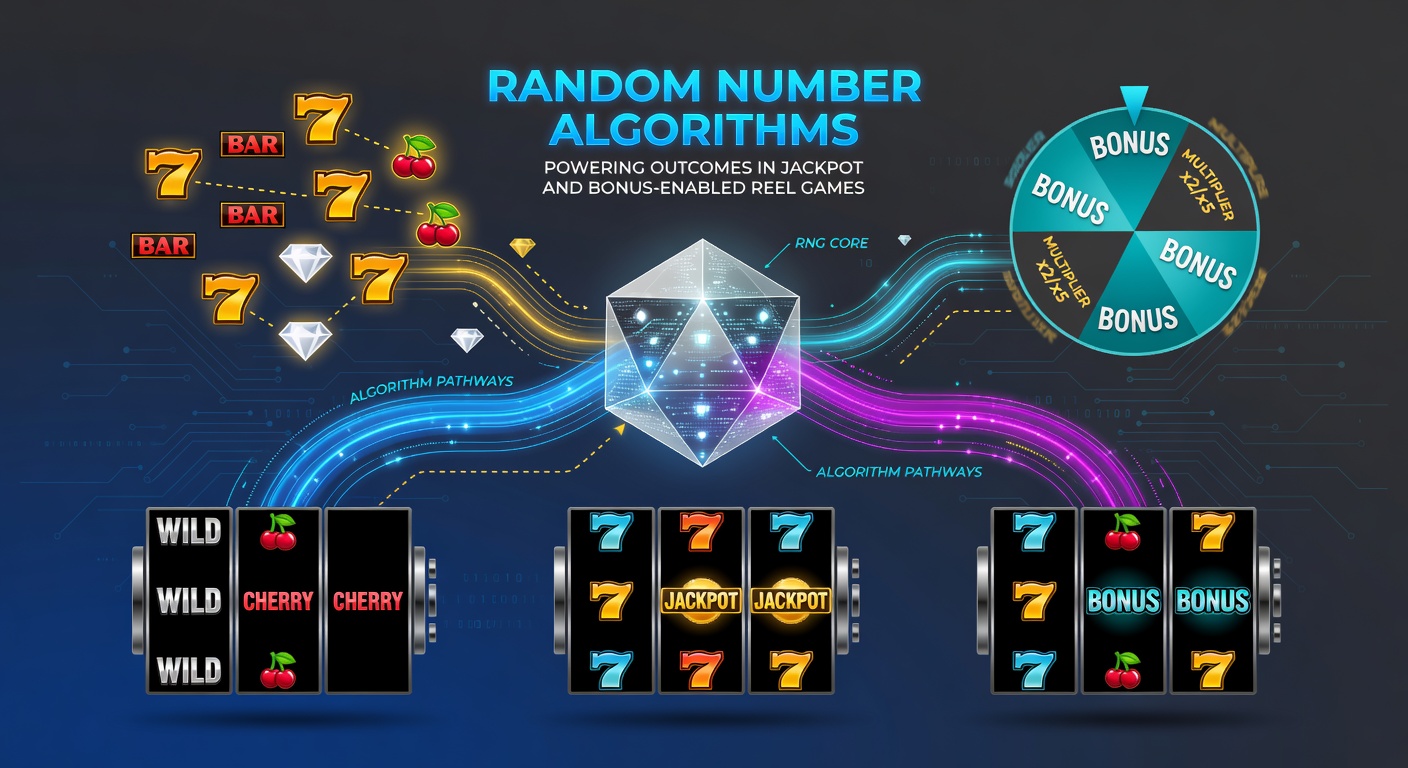
Random number generators form the foundation of outcomes in jackpot and bonus-enabled reel games where each spin relies on complex mathematical processes rather than mechanical reels or predictable patterns; these systems determine symbol positions, trigger bonus rounds, and allocate progressive prizes through sequences that operate continuously even when machines sit idle.
Core Principles of RNG Implementation
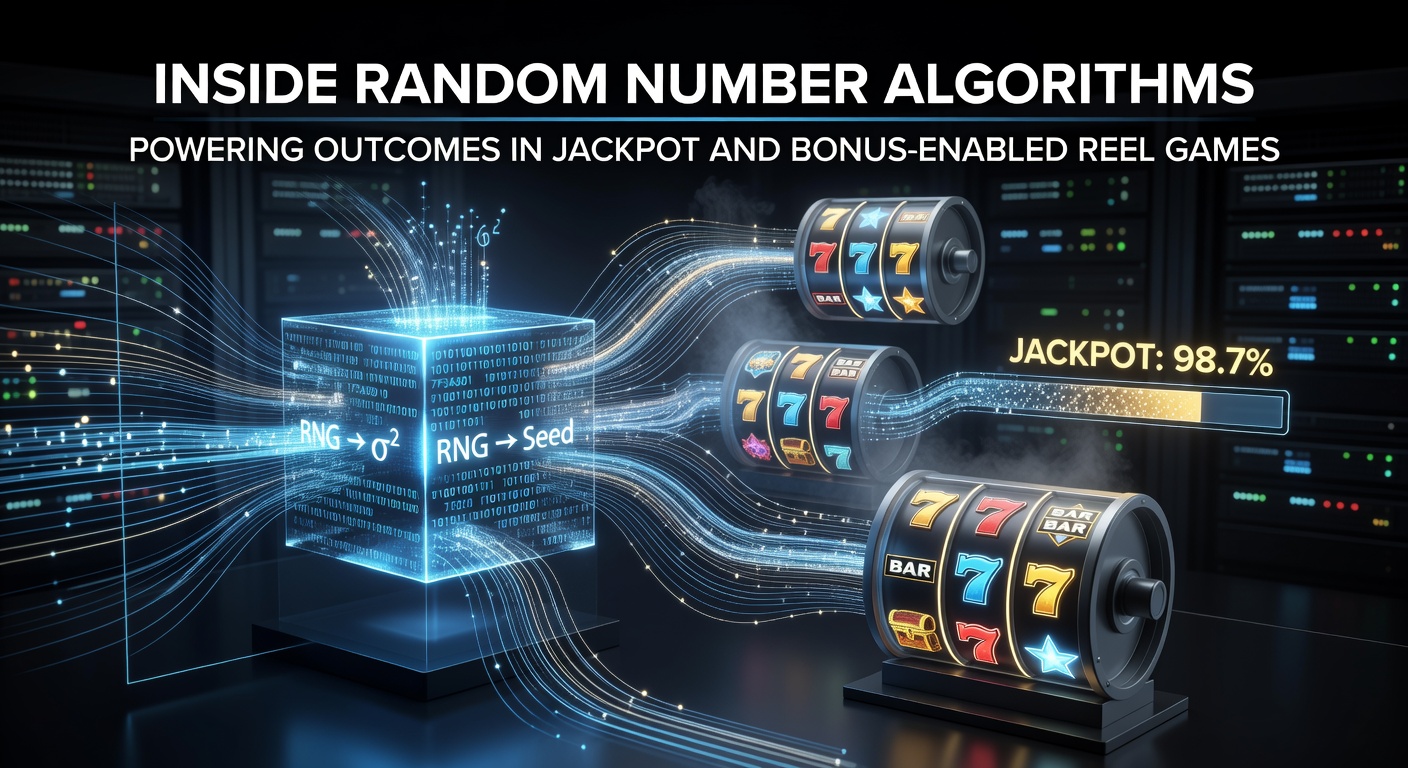
Modern reel games employ pseudorandom number generators that produce sequences based on initial seed values derived from hardware entropy sources such as thermal noise or clock timings while software algorithms expand these seeds into long streams of numbers mapped to reel positions, bonus triggers, and jackpot qualifiers; researchers at institutions like the University of Nevada have documented how these mappings ensure every possible outcome receives equal probability weighting across millions of cycles.
Jackpot mechanics integrate additional layers where the RNG selects not only base symbols but also progressive pool contributions and eligibility flags for linked machines across networks and bonus features activate when specific number combinations align within designated ranges yet the underlying generator maintains independence between base game results and feature entries to prevent patterns from emerging over repeated plays.
Algorithmic Structures and Testing Protocols
Common implementations rely on algorithms such as Mersenne Twister or more specialized cryptographic variants that undergo certification through independent laboratories where statistical suites like Diehard and NIST evaluate distribution uniformity, periodicity absence, and correlation resistance; data compiled by the Nevada Gaming Control Board reveals that approved systems must demonstrate compliance across at least 100 million simulated cycles before deployment in commercial environments.
Bonus-enabled titles add complexity because the RNG must handle multiple states including free spin counters, multiplier accumulators, and pick-and-win selections while maintaining separation so that a bonus round entry does not influence subsequent base game probabilities and operators configure these parameters through weighted tables that the generator consults during runtime execution.
Integration with Progressive Systems
Progressive jackpots connect individual machines to central servers that pool contributions and the RNG on each terminal determines local win conditions while the central system manages overall pool growth and winner selection when thresholds are met; studies from the Australian Communications and Media Authority indicate that such networked configurations require synchronized timestamping to avoid timing-based predictability and audits in June 2026 confirmed continued adherence to updated entropy standards across multiple jurisdictions.
Those who manage these systems note that seed refreshing occurs at irregular intervals drawn from external events like network packet arrivals or player input timings and this approach reduces vulnerability to reverse-engineering attempts that might otherwise exploit fixed starting points in the sequence generation process.
Regulatory Oversight and Compliance Measures
Authorities in various regions mandate regular RNG recertification where third-party testers examine source code, hardware components, and live performance logs to verify that theoretical return-to-player percentages match observed results over extended periods; reports from the European Gaming and Betting Association highlight how discrepancies in bonus frequency or jackpot hit rates trigger immediate investigations and potential machine withdrawals until corrections are verified.
Reel games with layered bonus structures undergo extra scrutiny because multiple RNG calls occur within single spins for example one call selects base symbols another evaluates bonus entry and additional calls handle feature outcomes yet each call must remain statistically independent to satisfy fairness criteria established by oversight bodies.
Technical Challenges in High-Volume Environments
High-traffic casino floors and online platforms process thousands of simultaneous RNG requests per second which demands efficient implementations that avoid bottlenecks while preserving randomness quality; virtualization technologies allow multiple game instances to share hardware entropy pools but require careful isolation to prevent cross-contamination between different titles or player sessions.
Observers have noted that emerging quantum-resistant algorithms are under evaluation for future deployments as computational capabilities advance and these preparations ensure that current jackpot and bonus systems remain secure against evolving analytical techniques without disrupting existing operational frameworks.
Conclusion
Random number algorithms continue to underpin every outcome in jackpot and bonus-enabled reel games through carefully engineered processes that balance computational efficiency with statistical integrity and ongoing developments in testing methodologies support their reliability across expanding global markets.