Design Foundations of Reel Symbols and Thematic Unity in Digital Slot Machines
Noah Ludwig · Jul 20, 2026
Design Foundations of Reel Symbols and Thematic Unity in Digital Slot Machines
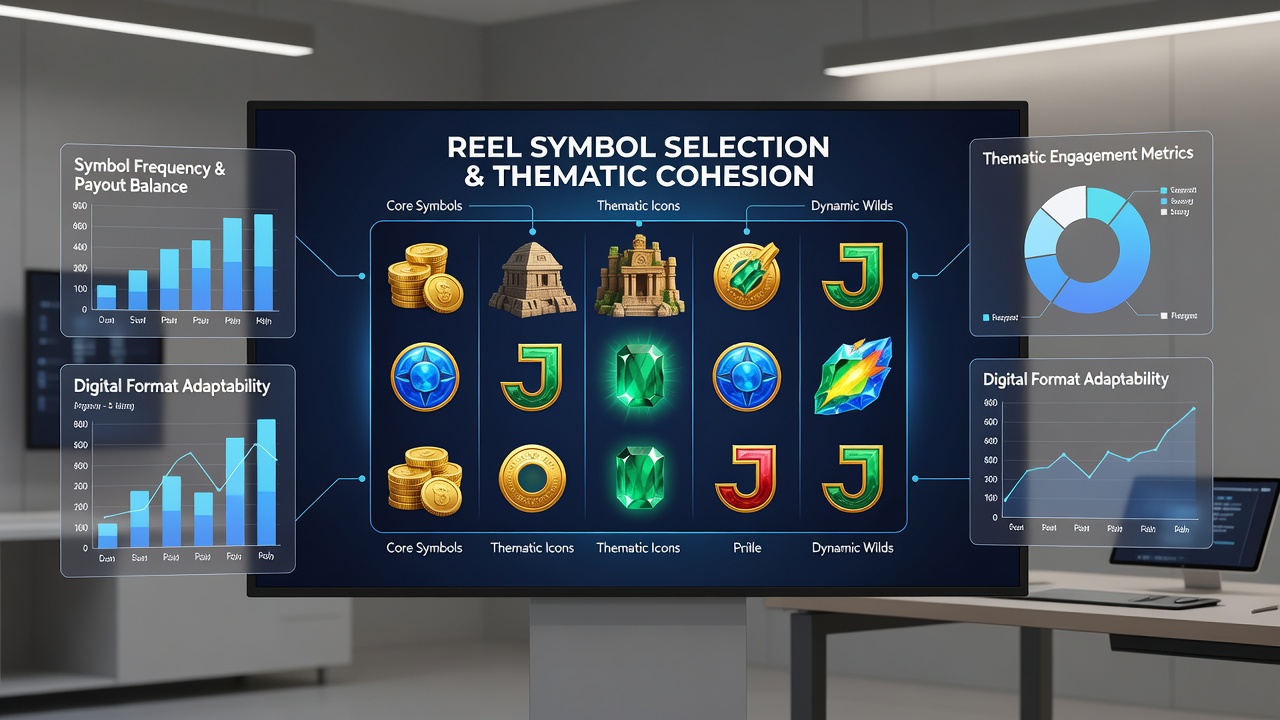
Reel symbol selection in digital slots follows mathematical frameworks that determine hit frequencies and return-to-player percentages, while thematic cohesion ensures every visual element supports a unified narrative across animations, backgrounds, and audio layers. Developers calculate symbol distributions during the design phase so that each reel strip produces predictable outcome probabilities over millions of spins, according to industry technical reports.Core Principles of Symbol Frequency and Distribution
Engineers assign weights to individual symbols based on their position within virtual reel strips that often exceed the visible three or five positions shown to players. Low-value symbols receive higher frequencies to maintain engagement through regular small payouts, whereas high-value symbols appear less often to create anticipation during near-miss sequences. Data from regulatory testing laboratories shows these weightings undergo verification against certified random number generators before any title reaches market.
Payline structures further influence symbol placement decisions because intersecting lines require symbols to land in specific combinations across multiple reels simultaneously. Designers adjust scatter symbols and wild substitutions separately since these elements bypass standard payline rules and contribute directly to bonus feature triggers. Observers note that modern digital formats allow reel strips to expand dynamically during gameplay, altering symbol visibility without changing underlying probability tables.
Building Thematic Cohesion Across Visual and Audio Elements
Once symbol weights receive approval, artists align every graphic asset with the chosen theme through consistent color palettes, typography, and iconography that appear on both foreground reels and background environments. Sound designers synchronize audio cues with symbol landings so that thematic music swells coincide with feature activations, creating a seamless sensory experience that reinforces narrative immersion. Research from gaming technology conferences indicates titles maintaining strict thematic consistency across all components achieve longer average session durations compared with fragmented designs.
Integration Techniques in Digital Formats
Digital platforms enable layered animations where symbols transform or interact with one another during winning sequences, yet these effects must remain synchronized with the base reel mathematics to avoid player confusion. Background elements such as character movements or environmental changes activate only when specific symbols land, maintaining focus on core gameplay while advancing the theme. Case studies from major studios reveal iterative testing cycles where focus groups evaluate whether new symbol variants strengthen or dilute overall cohesion before final certification.
Regulatory frameworks in multiple jurisdictions require documentation of every symbol's contribution to the overall return percentage, which includes both base game and bonus round contributions. In July 2026 several European testing houses published updated guidelines clarifying how expanding reels and symbol transformations must be disclosed in game rules to maintain transparency. These updates build upon earlier standards established by bodies such as the Nevada Gaming Control Board and the Alcohol and Gaming Commission of Ontario.
Technical Implementation in Modern Platforms
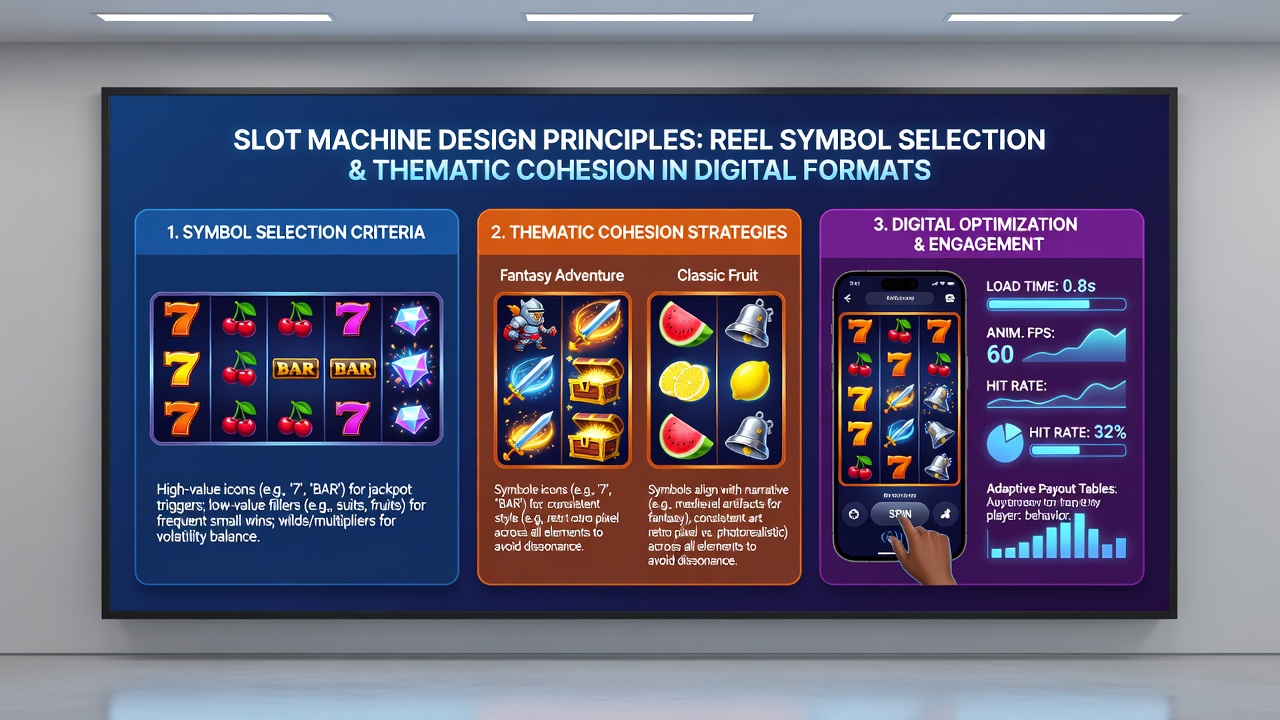
Software development kits used by slot providers incorporate modular reel engines that separate probability tables from visual rendering layers, allowing the same mathematical foundation to support multiple thematic reskins without recalculating payout ratios. This separation proves particularly useful when adapting land-based titles for online distribution, where additional animation layers can be added while preserving original symbol frequencies. Technical documentation from leading platform providers demonstrates that modular approaches reduce certification timelines by approximately thirty percent compared with fully custom builds.
Adaptive display technologies further support thematic cohesion by scaling symbol sizes and positions across desktop, tablet, and mobile viewports without altering hit frequencies or reel strip compositions. Developers conduct extensive device testing to confirm that symbol alignment remains accurate regardless of screen resolution or orientation changes. Industry associations such as the International Association of Gaming Regulators have published comparative studies showing consistent implementation across different device categories correlates with higher player retention metrics.
Conclusion
Reel symbol selection and thematic cohesion operate as interconnected systems in digital slot design, where mathematical precision supports creative expression while regulatory oversight ensures verifiable fairness. Advances in rendering technology continue to expand possibilities for dynamic symbol interactions, yet core principles of weighted distribution and narrative consistency remain central to successful implementations. Ongoing collaboration between mathematicians, artists, and compliance teams produces titles that deliver both predictable financial outcomes and immersive experiences across diverse player audiences.