Examining Interconnections Between Video Mechanics and Progressive Triggers Across Mobile Casino Platforms in Regulated UK Markets
Noah Ludwig · Aug 19, 2026
Examining Interconnections Between Video Mechanics and Progressive Triggers Across Mobile Casino Platforms in Regulated UK Markets
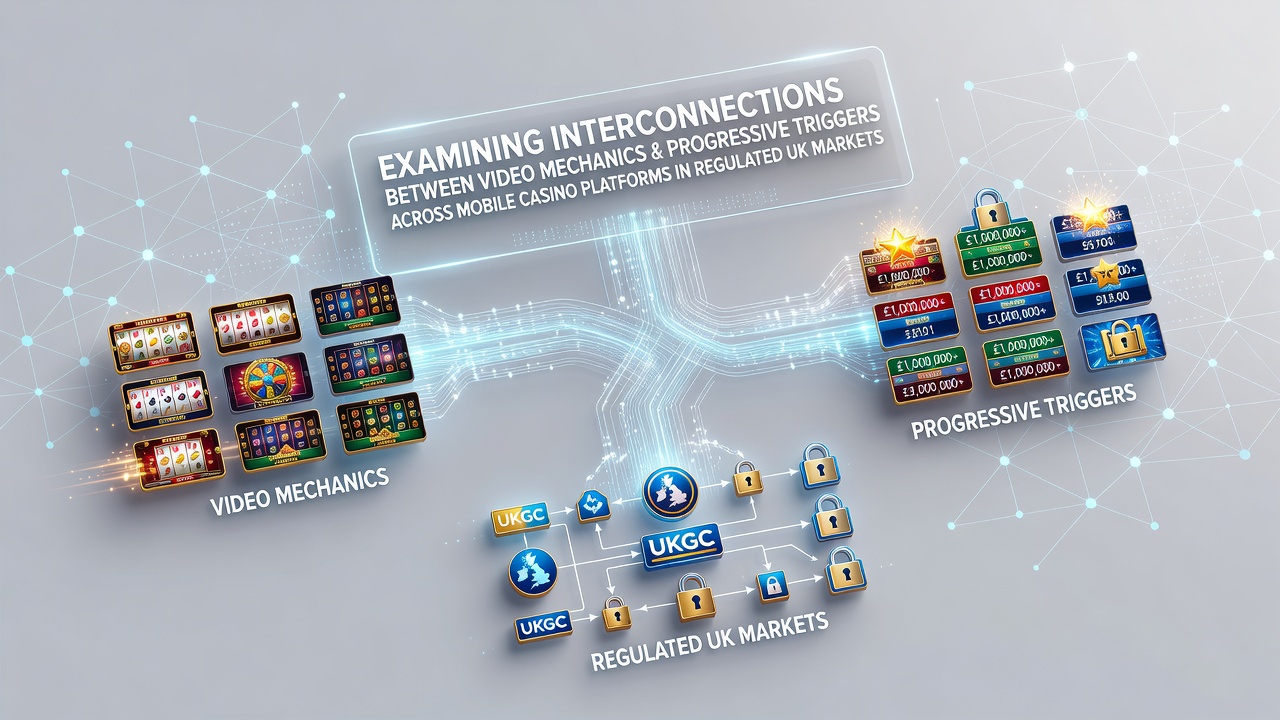
Video mechanics in mobile casino platforms encompass reel animations, particle effects, and user interface transitions that respond dynamically to player inputs, while progressive triggers activate jackpot increments through algorithmic sequences tied to bet multipliers and network contributions. These elements interconnect when visual cues such as escalating light patterns or symbol cascades signal the approach of a progressive event, creating synchronized feedback loops that operate across devices in the regulated UK market. Observers note that developers integrate these systems so mobile rendering engines handle both high-frame-rate graphics and real-time jackpot calculations without latency spikes, especially as updates rolled out in August 2026 emphasized cross-platform compatibility standards.
Core Components of Video Mechanics on Mobile Devices
Reel-based video mechanics rely on sprite sheets and shader programs that render spinning symbols with motion blur and bounce effects optimized for touchscreens, whereas background layers adjust opacity and parallax scrolling to maintain visual depth during extended play sessions. Data from industry reports show that these mechanics consume specific GPU resources on iOS and Android devices, requiring efficient compression algorithms to prevent frame drops when multiple layers activate simultaneously. Researchers at technical institutions have mapped how touch-responsive haptics align with on-screen particle bursts, producing tactile confirmation that coincides with bet acceptance and reel stops.
Progressive triggers function through centralized servers that pool contributions from participating games, incrementing jackpot values in fractions of a cent per spin while broadcasting updates to connected clients at fixed intervals. In mobile environments the interconnection appears when a near-miss animation sequence pauses briefly to display the current progressive meter, allowing the system to fetch fresh server data before resuming the visual sequence. This linkage ensures that jackpot visibility updates occur without interrupting the flow of reel animations, a coordination that becomes critical during peak usage periods.
Technical Integration Patterns Observed in August 2026
By August 2026 platform operators had implemented unified APIs that link video rendering pipelines directly to progressive meter services, enabling real-time synchronization of graphical intensity with jackpot growth rates. Studies conducted by European gaming research groups indicate that such integration reduces desync errors by routing both data streams through a single event bus, so a symbol lock animation can trigger an immediate meter refresh call. Mobile frameworks now incorporate predictive loading, where the device pre-caches animation assets for common progressive thresholds, cutting perceived delay when a trigger sequence begins.
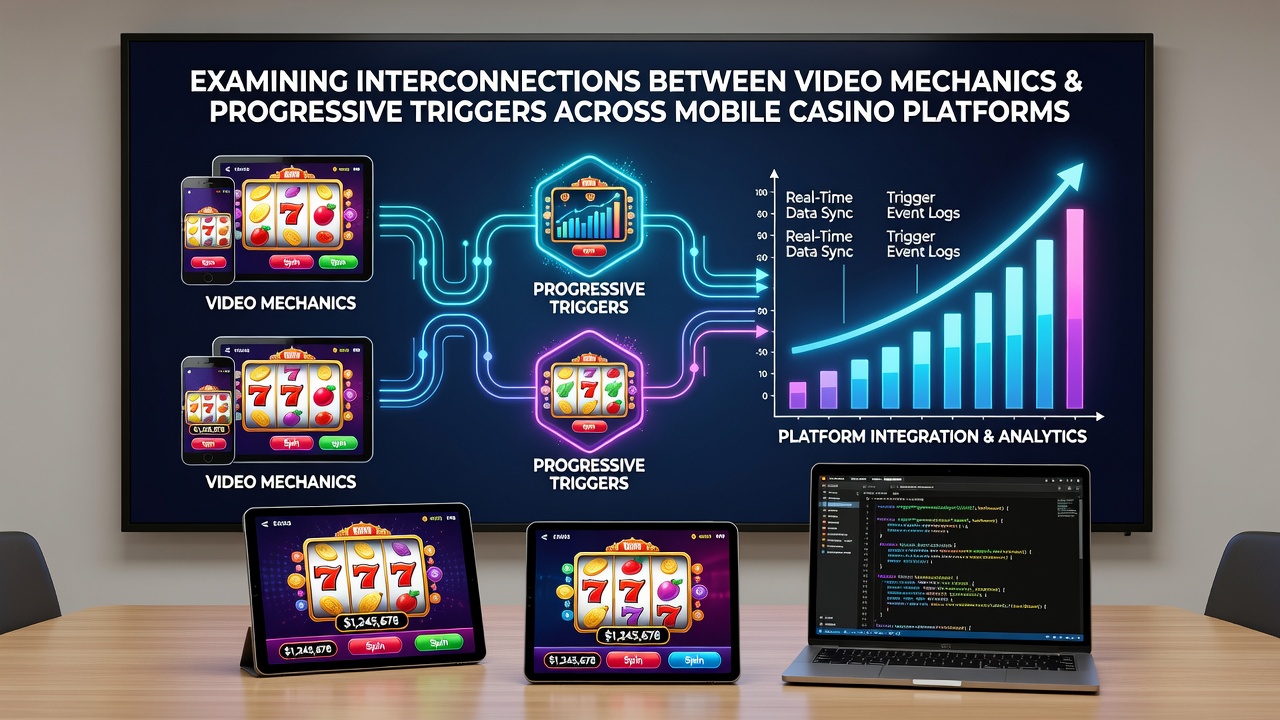
Hardware variations across smartphones influence how these interconnections perform, with higher-refresh-rate displays supporting smoother transitions between reel spins and meter pop-ups. Regulatory compliance in the UK market requires operators to maintain audit logs that record both visual event timestamps and progressive value changes, allowing verification that animations accurately reflect server-side calculations. Industry associations outside the UK, such as those tracking North American and Australian markets, have published comparative analyses showing similar technical patterns emerging in multi-jurisdictional deployments.
Regulatory Context and Data Synchronization Requirements
Regulated UK platforms must ensure that progressive contributions transmitted from mobile clients match the visual representations shown to users, a requirement enforced through continuous monitoring of API response times and animation integrity checks. Figures released by the Canadian Gaming Association reveal that synchronized systems experience fewer player disputes when jackpot displays update within 200 milliseconds of server confirmation. This performance threshold guides developers to optimize both the video pipeline and the network layer together rather than treating them as separate modules.
One documented case involved a mid-2026 deployment where a mismatch between reel stop timing and progressive meter refresh led to temporary suspension of the affected title until the event bus architecture received an update. Subsequent patches introduced priority queuing for trigger-related packets, preserving animation fluidity while guaranteeing data accuracy. Observers tracking global standards note that similar adjustments appear in reports from Australian regulatory bodies, underscoring the cross-border relevance of these technical interconnections.
Future Implications for Platform Architecture
Continued refinement of these interconnections points toward greater use of edge computing nodes that handle both rendering tasks and progressive calculations closer to the user device. Academic papers from research universities in the United States have explored how machine learning models could predict animation load based on historical jackpot trigger frequency, allowing preemptive resource allocation. Such approaches maintain compliance with existing mobile performance benchmarks while scaling to accommodate rising numbers of concurrent players.
Platform operators continue to test these systems under simulated network conditions that replicate the variable connectivity typical of mobile users, ensuring that visual and progressive elements remain aligned even during brief signal interruptions. The resulting architecture supports transparent reporting to oversight entities and provides consistent user experiences across different device classes.
Conclusion
The examined interconnections demonstrate how video mechanics and progressive triggers operate as interdependent systems within mobile casino platforms serving the regulated UK market. Technical implementations finalized around August 2026 illustrate measurable improvements in synchronization accuracy and resource efficiency when both components share unified data pathways. Continued monitoring by international research bodies and regulatory counterparts supplies the benchmarks against which future enhancements will be evaluated.