Online Slots Games: Mechanics, Innovations, and Global Dynamics
Dana Becker · Apr 5, 2026

Online Slots Games: Mechanics, Innovations, and Global Dynamics
The Foundations of Online Slots
Online slots games trace their roots to physical machines from the late 19th century, when Charles Fey invented the Liberty Bell in 1895, featuring three reels and basic symbols like horseshoes and bells; fast-forward to the digital era, and developers adapted these concepts for the internet in the mid-1990s, with Microgaming launching the first online casino in 1994, complete with rudimentary slot titles. What's interesting is how quickly the format evolved, as bandwidth improvements and software advancements allowed for richer graphics and more interactive elements by the early 2000s.
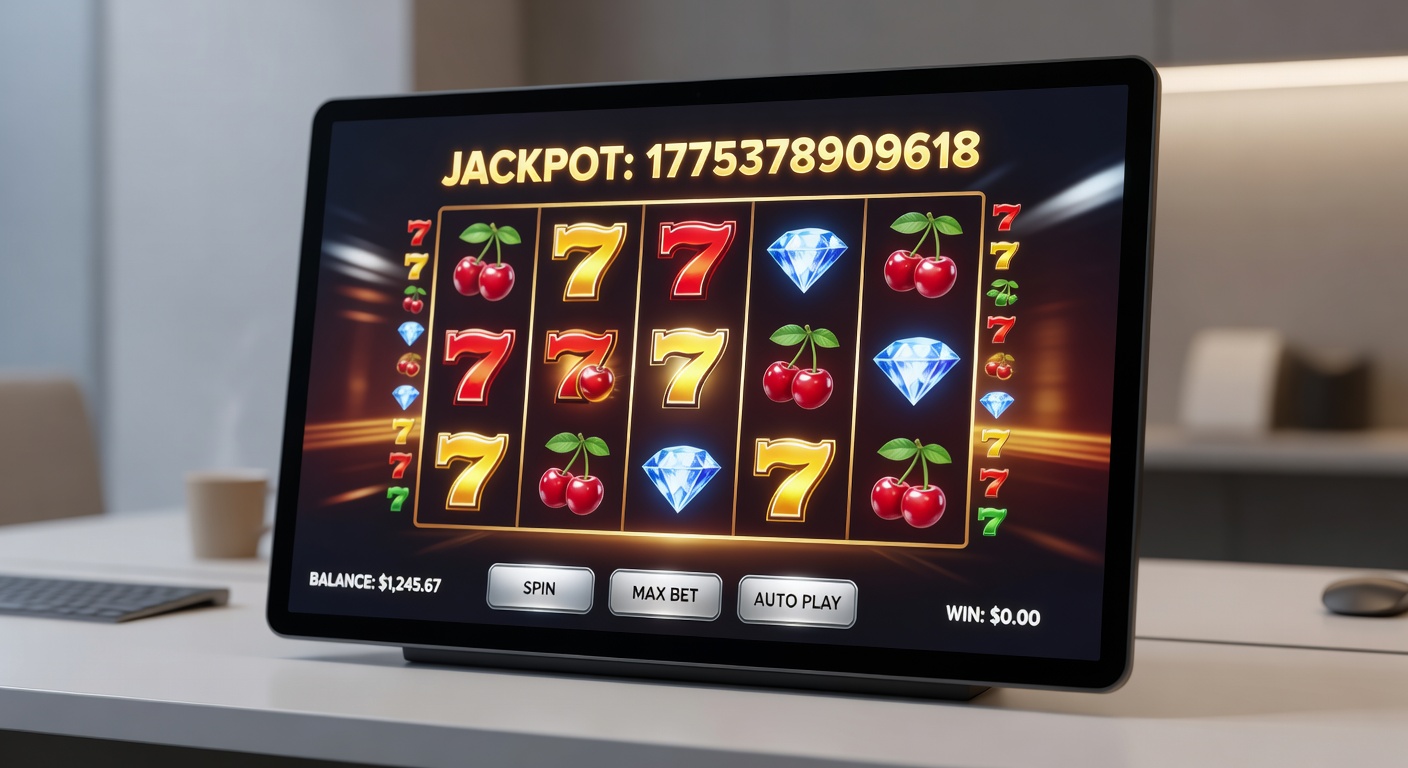
At their core, these games operate on random number generators (RNGs), algorithms certified by independent labs to ensure each spin's outcome remains unpredictable and fair; players select bet amounts, activate reels via a spin button, and watch symbols align across paylines, where matching combinations trigger wins based on paytables displayed within the game. Data from industry reports indicates that RNGs undergo rigorous testing, with millions of simulated spins verifying uniformity in results.
Key Features Driving Engagement
Modern online slots boast diverse mechanics beyond simple three-reel setups, including expanding wilds that substitute for other symbols to complete winning lines, scatter symbols unlocking bonus rounds without needing line alignment, and multipliers that boost payouts exponentially during free spin sequences. Take progressive jackpots, for instance, where a portion of every wager across networked games feeds into a central prize pool, sometimes swelling to millions before a lucky spin claims it; one notable case involved a Nevada Gaming Control Board-regulated platform where a progressive hit paid out $39.7 million in 2018, setting a benchmark for networked pots.
Paylines have multiplied too, from single horizontal lines in classics to thousands in multi-way formats like those in NetEnt's Gonzo's Quest, where wins cascade rather than spin traditionally, allowing chained reactions and escalating rewards. And here's where it gets interesting: volatility levels dictate payout frequency and size, with low-volatility titles offering frequent small wins to sustain play, while high-volatility ones build tension toward rarer, larger hauls; studies from gaming analysts reveal players gravitate toward medium volatility for balanced experiences.
Software Providers Shaping the Landscape
Leading developers like Playtech, with its Age of the Gods series tying into mythology for themed progressives, and Pragmatic Play, known for high-RTP drops like Sweet Bonanza where tumbling reels keep action flowing, dominate the market; figures from 2025 show these providers released over 200 new titles annually, incorporating HTML5 for seamless cross-device play. Observers note how IGT bridges land-based and online realms, digitizing hits like Cleopatra, which retains its 5-reel, 20-payline structure while adding mobile optimizations.
Big Time Gaming revolutionized the field with Megaways mechanics, a licensing model granting dynamic reel sizes up to 117,649 ways to win per spin, licensed to dozens of studios; one study highlighted how this innovation spiked player retention by 25% in adopting casinos. Yet smaller innovators like Nolimit City push boundaries with xWays and xNudge features, squeezing extra symbols into reels for amplified potential, all while maintaining certified fairness.
Return to Player and Mathematical Edges
Return to Player (RTP) percentages, typically ranging from 92% to 98%, represent the theoretical long-term payout over millions of spins; for example, NetEnt's Blood Suckers clocks in at 98%, meaning a casino retains just 2% on average, while lower RTP progressives dip to fund those life-changing jackpots. Research indicates RTPs vary by jurisdiction, with European markets mandating disclosures, allowing players to compare titles strategically.
House edge, the inverse of RTP, ensures operator sustainability, but features like buy-a-bonus options—introduced widely in recent years—let players pay upfront for instant bonus access, altering risk dynamics; data shows these appeal to high-stakes participants seeking quicker resolutions. That's the reality: while short-term variance swings wildly, extended play aligns with published metrics, as verified by third-party auditors like eCOGRA.
Regulatory Frameworks Across Borders
Global oversight varies, with Malta's Malta Gaming Authority licensing over 300 operators since 2001, enforcing RNG audits and player fund segregation; in contrast, Australia's Interactive Gambling Act of 2001 prohibits unlicensed real-money slots but permits social play, shaping a unique demo-heavy ecosystem. Canadian provinces like Ontario regulate provincially through iGaming Ontario, launched in 2022, blending private operators with strict AML protocols.
In the US, states like New Jersey and Pennsylvania mirror land-based rigor via bodies ensuring geofencing and self-exclusion tools; figures from 2025 reveal regulated markets grew 15% year-over-year, driven by mobile adoption. And now, in April 2026, emerging trends include AI-driven personalization, where algorithms suggest volatility-matched games based on play history, all under enhanced data privacy rules from EU's GDPR extensions.
Mobile Evolution and Emerging Tech
Mobile slots exploded post-2010 with responsive designs, now comprising 60% of sessions per industry data; touch controls simplify spins, while portrait modes fit thumb-friendly interfaces, as seen in Quickspin's Big Bad Wolf with its swipe-activated blowing-down-houses bonus. VR slots, piloted by providers like IGT in 2023, immerse users in 360-degree casino floors, though adoption lags due to hardware needs.
Blockchain integrations, via provably fair systems on platforms like those in Curacao-licensed sites, let players verify RNG seeds post-spin; one pilot in 2025 demonstrated 99% transparency uptake. So as 5G rolls out globally, expect ultra-HD streaming and live-hosted slots, where dealers spin physical reels broadcast in real-time—tech that's already testing in Asian markets.
People who've tracked this space know esports tie-ins are next, with slots themed around tournaments offering synced jackpots; a 2026 report projects this hybrid to capture younger demographics, blending skill perceptions with pure chance.
Player Strategies and Bankroll Insights
Though outcomes hinge on RNGs, bankroll management proves crucial, with experts advising session limits at 1-5% of total funds per spin to weather variance; tracking win rates via casino dashboards helps refine bets, while max-bet requirements on progressives demand calculated risks. Case studies show disciplined players extending sessions 40% longer without chasing losses.
Bonus terms, like wagering requirements (often 30-50x), factor heavily; data reveals savvy users prioritize low-wager promos for better clear rates. It's not rocket science: combining RTP scans with volatility awareness maximizes value over time.
Conclusion
Online slots games continue thriving through mechanical ingenuity, regulatory evolution, and tech infusions, from Megaways cascades to blockchain verification; as April 2026 unfolds, 5G and AI promise even deeper immersion, while global frameworks ensure fairness amid growth. Those diving in encounter a blend of nostalgia and innovation, where certified RNGs uphold integrity across borders, and strategic play tempers the thrill of potential jackpots. The landscape shifts constantly, but the core appeal—unpredictable spins yielding aligned symbols—remains timeless.