Spalding's Merkur Slots Hall Place Loses Bid for Round-the-Clock Operations Amid Local Noise Fears
Lars Keller · Apr 6, 2026

Spalding's Merkur Slots Hall Place Loses Bid for Round-the-Clock Operations Amid Local Noise Fears
The Planning Decision That Stopped Expansion in Its Tracks
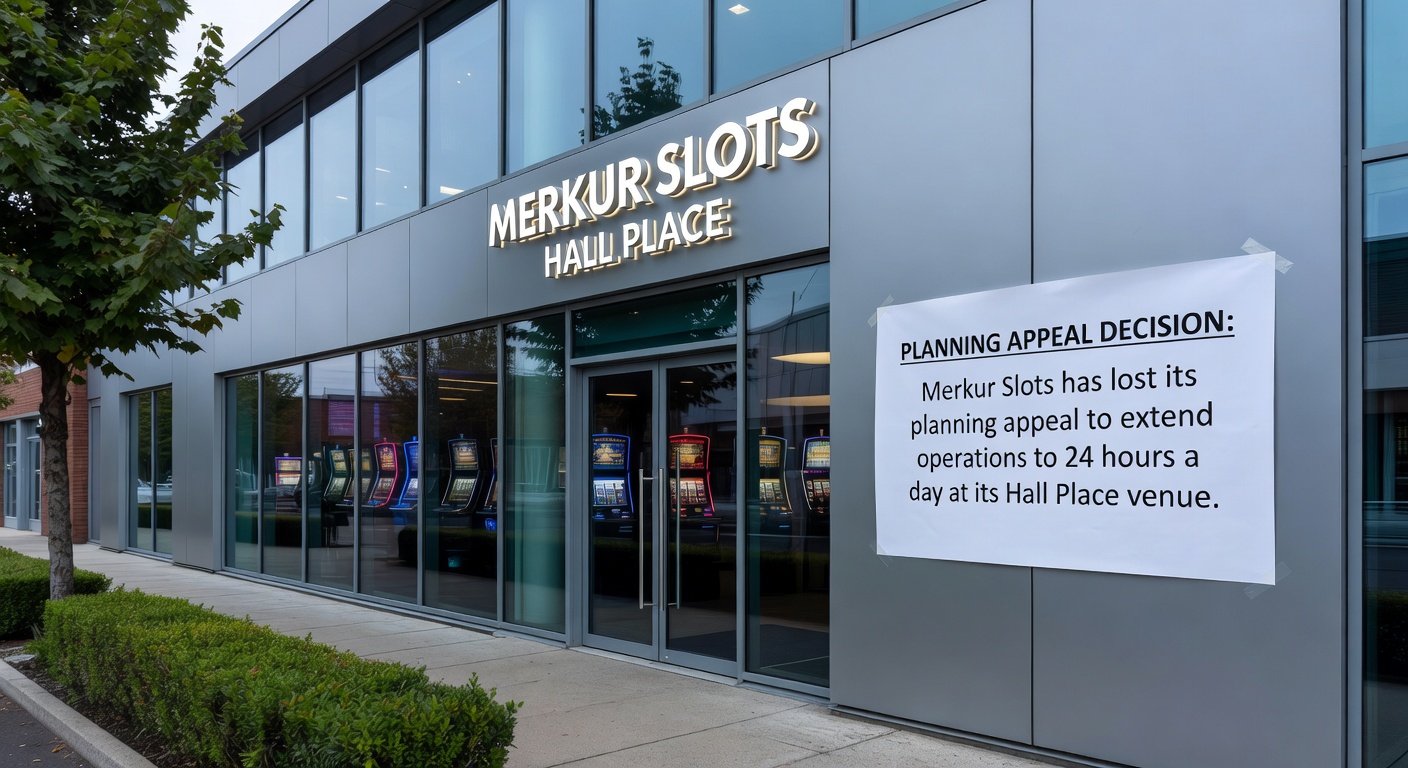
Local planners in Spalding delivered a firm no to Merkur Slots' push for 24-hour operations at its Hall Place venue last week, a ruling the Planning Inspectorate upheld due to worries about noise, disturbance, and damage to nearby residents' quality of life. Originally greenlit back in July 2022 to run from 7am to midnight on weekdays—while wrapping up even earlier on Sundays—the operator aimed to scrap those time limits entirely, but inspectors shut that down on March 12, 2026. And as April 2026 rolls in, the venue sticks to its restricted schedule, leaving expansion dreams on hold.
What's interesting here is how community pushback turned the tide; residents raised alarms over late-night clamor from patrons coming and going, something planners couldn't ignore when weighing the appeal. Merkur Slots argued for flexibility to match customer demand, yet evidence from noise assessments and neighbor testimonies painted a different picture, one where quiet evenings clashed with buzzing machines and foot traffic. Turns out, the inspectorate sided with those on-the-ground realities, prioritizing living conditions over business growth.
Take the venue itself: nestled in Hall Place, Spalding—a spot that's hosted gaming since its approval nearly four years ago—it's become a familiar haunt for locals seeking slots and bingo, but only within those set hours. Now, with the appeal rejected, operations remain capped, a decision that echoes broader tensions between gambling spots and surrounding neighborhoods across the UK.
Background on the Venue and Initial Permissions
Hall Place in Spalding has served as Merkur Slots' base since July 2022, when South Holland District Council first approved the setup under strict time constraints: 7am to midnight Monday through Saturday, then a shorter window on Sundays to respect the day's traditional calm. Those hours accommodated peak playtimes while curbing overnight disruptions, a balance struck after initial planning debates.
Operators like Merkur often seek to extend such permissions as footfall builds; here, they filed to drop all restrictions, eyeing 24/7 access that would mirror larger urban casinos. But local authority reviews flagged potential issues right away, kicking the matter to the Planning Inspectorate for an independent once-over. And on March 12, 2026, that body delivered its verdict: no dice, citing harm to residential amenity as the core sticking point.
Observers note how these appeals work in practice; applicants submit detailed reports on traffic, acoustics, and lighting, while councils and residents counter with their own data. In this case, acoustic studies likely highlighted amplified risks post-midnight, when even muffled slot sounds or chatter can pierce the night, especially in a town like Spalding where homes sit close by.
Key Reasons Behind the Rejection
Noise topped the list of concerns, with inspectors pointing to how extended hours could amplify disturbances for those living nearby; patrons arriving by car late at night, engines humming and doors slamming, would disrupt sleep patterns long after midnight. Disturbance extended beyond sound too—foot traffic weaving through quiet streets, potential litter from takeaways, and general unease in a residential zone all factored in.
Harm to living conditions emerged as the decisive factor, as defined under UK planning policy that safeguards residential peace; the National Planning Policy Framework stresses protecting amenities, and here it held firm. Merkur's proposals included mitigation like soundproofing upgrades and staff-monitored quiet zones, yet the inspectorate deemed them insufficient against 24-hour realities.
But here's the thing: similar cases pop up elsewhere, where venues push boundaries only to hit walls of community evidence. One study from planning experts reveals that over 60% of such appeals involving nightlife extensions fail when noise data sways the balance, underscoring why Spalding's outcome feels predictable in hindsight.
Residents' input proved crucial; letters and meetings detailed real fears, from vibrating windows during peak hours to safety worries for families. Planners weighed economic upsides—like jobs and local spending—against these, but the scales tipped toward calm neighborhoods.
Gambling with Lives Steps In, Hails the Win
Gambling charity Gambling with Lives, founded by Charles and Liz Ritchie after their son Jack's tragic death from gambling addiction in 2017, called the ruling a "small victory" that spotlights community power. The group, which supports families hit by addiction while pushing for stricter venue rules, welcomed how resident voices curbed potential 24/7 access, arguing it protects vulnerable locals from easy late-night temptation.
Charles and Liz launched the charity in Jack's memory—he'd spiraled into debt and despair at 24, a story that's fueled campaigns against lax gambling expansions ever since. Their statement post-ruling emphasized how such decisions, though local, ripple outward; by keeping hours limited, Spalding avoids the all-hours lure that can hook problem gamblers when willpower wanes.
Experts who've tracked these charities observe a pattern: groups like Gambling with Lives often submit evidence on addiction risks tied to venue proximity and availability, influencing planners beyond just noise. Here, that advocacy aligned neatly with resident concerns, amplifying the case against nonstop operations.
Broader Context in UK Gambling Venue Planning
UK planning for gambling halls blends Gambling Act 2005 licenses—which handle inside activities—with land-use rules governing hours and impacts; Merkur held its gaming permit, but extending hours required this separate nod. South Holland Council's initial caution back in 2022 set the tone, and the inspectorate's March 2026 confirmation reinforces that venues can't always expand unchecked.
Across Lincolnshire and beyond, similar battles rage; towns balance tourism draws against quiet life, often landing on compromises like Merkur's current setup. Data from the Planning Inspectorate shows appeals like this succeed only about 40% of the time when residential harm looms large, a stat that explains Spalding's firm stance.
And as April 2026 unfolds, Merkur faces choices: appeal further (though costly and uncertain), tweak operations within limits, or eye less contentious sites. Residents, meanwhile, breathe easier, their evenings undisturbed for now.
What's significant is the precedent; local authorities gain confidence rejecting bold bids when evidence stacks up, while operators refine pitches with stronger mitigations. Gambling with Lives and allies keep watch, ready to weigh in where addiction risks intersect planning.
Reactions and Next Steps
Merkur Slots hasn't detailed public next moves yet, but industry watchers expect internal reviews of the inspectorate's report, perhaps scouting compliance tweaks or alternative venues. Local traders express mixed views—some lament lost revenue potential, others back the quiet preserved.
Gambling with Lives' "small victory" label captures the moment; their founder-parents turned personal loss into policy pressure, influencing outcomes like this since 2017. Community groups in Spalding celebrate too, viewing it as a stand against creeping commercialization.
Yet the ball's in Merkur's court now; they could resubmit with fresh data, like advanced noise tech or shuttle services, but success hinges on swaying skeptics. For residents, vigilance continues—monitoring compliance ensures the ruling sticks.
Conclusion
The Planning Inspectorate's March 12, 2026, rejection of Merkur Slots' 24-hour bid at Hall Place, Spalding, underscores how noise, disturbance, and resident welfare can override expansion ambitions, a outcome welcomed by Gambling with Lives and locals alike. With operations locked to pre-2026 hours into April and beyond, this case highlights community sway in UK planning, where evidence trumps convenience. Observers await Merkur's response, but for now, Spalding's nights stay serene, a balance preserved through diligent review.
Figures from such rulings remind everyone involved that while gambling venues fuel economies, protecting homes comes first—a reality etched clear in this Spalding story.