The Transformation of Reel Technology in Britain's Casino Landscape: Mechanical Beginnings to Algorithmic Control
Noah Ludwig · Jun 27, 2026
The Transformation of Reel Technology in Britain's Casino Landscape: Mechanical Beginnings to Algorithmic Control
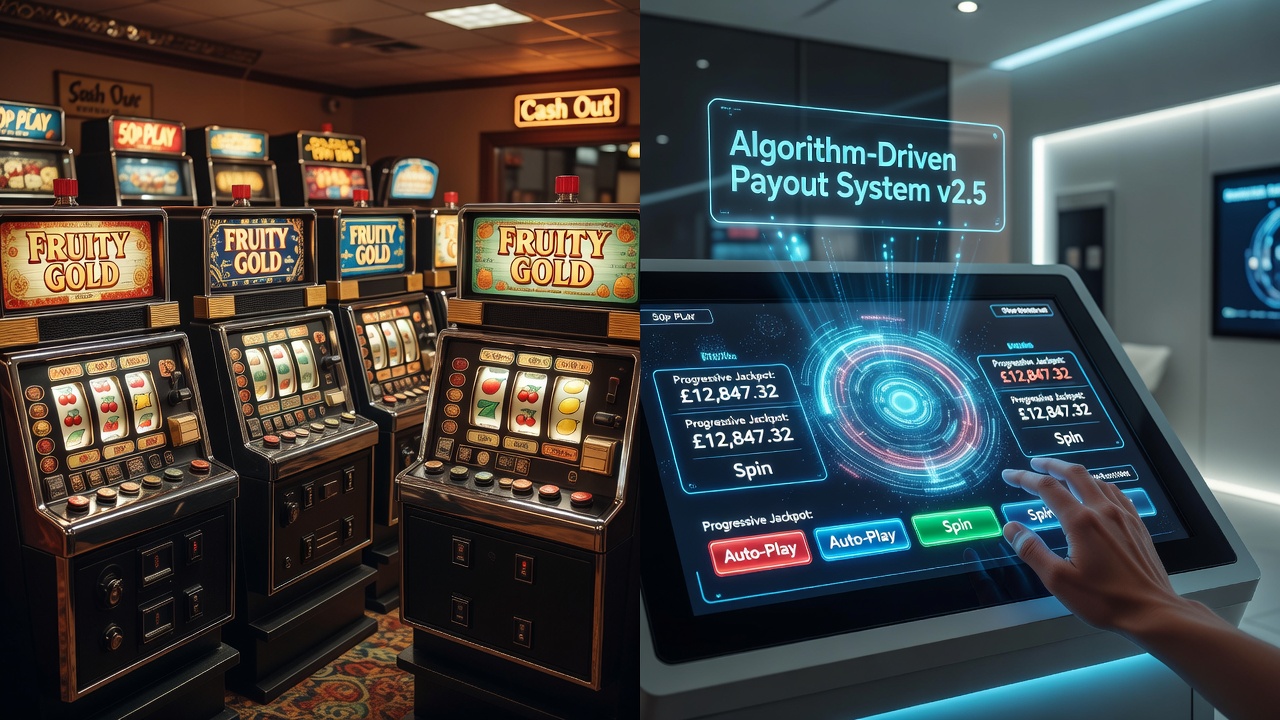
British casinos once relied on mechanical reel systems that operated through springs, gears, and levers, where each spin depended on physical components aligning symbols in fixed sequences, and those machines dominated gaming floors from the mid-twentieth century onward because they delivered straightforward outcomes based on hardware limitations and manufacturing tolerances.
Early Mechanical Foundations in UK Venues
Operators installed three-reel devices that required manual maintenance, regular lubrication, and frequent repairs when components wore down, while players encountered consistent but limited payout structures determined by the number of stops on each physical reel. Data from industry records shows that these machines featured between twenty and twenty-five stops per reel in many models, which restricted jackpot frequencies and kept average return percentages tied directly to hardware design choices. Observers note that venues in cities such as London and Manchester maintained large banks of these units because they proved durable under continuous use, yet the technology imposed clear boundaries on game variety and visual presentation.
Transition to Electronic Components
Electronic stepper motors replaced physical springs during the 1980s and 1990s, allowing faster reel stops and more precise control over symbol positioning, while microprocessors began handling basic calculations that previously depended on mechanical linkages. This shift enabled manufacturers to increase reel stop counts dramatically, reaching several hundred virtual positions per reel even when the physical drum remained small, and studies from gaming technology conferences documented corresponding rises in game complexity without proportional increases in machine size. British sites adopted these hybrid machines because they reduced downtime and allowed operators to update payout tables through firmware adjustments rather than full hardware replacements.
Algorithm Integration and Virtual Reel Systems
Random number generators became central once digital interfaces took hold, generating thousands of outcomes per second and mapping results to visual displays that no longer required moving parts. Research indicates that modern systems produce sequences through cryptographic algorithms certified under international testing standards, which replaced the predictable patterns of mechanical wear and tear with statistically independent results. By June 2026, multiple British casino environments had completed upgrades to fully touchscreen terminals where algorithms determine every outcome before reels animate on screen, creating interfaces that simulate spinning while operating entirely through software calculations. Those who've examined maintenance logs find that venues report lower repair costs after removing physical reels, although initial installation expenses rose due to the need for robust servers and secure network connections that protect algorithm integrity.
Video displays expanded game options beyond three or five reels, introducing multiple paylines, bonus rounds, and progressive jackpots that draw from networked terminals across sites, while data shows participation rates increased as players encountered more varied visual themes and interactive features. One study revealed that algorithm-driven machines support return-to-player percentages adjusted through regulatory-approved parameters, allowing operators to fine-tune long-term performance metrics without altering cabinet hardware. What's interesting is how these systems maintain consistent house edges across thousands of plays because the underlying code ensures uniform distribution regardless of previous results.
Regulatory and Technical Standards Across Regions
Standards developed by bodies such as the Nevada Gaming Control Board influenced British implementations, where testing laboratories verify that algorithms meet fairness criteria before machines reach casino floors. Figures from European gaming associations reveal that digital platforms now account for the majority of slot revenue in many jurisdictions, driven by the ability to deliver rapid game updates and remote monitoring that tracks performance metrics in real time. Canadian regulatory reports further demonstrate how algorithm certification processes reduce opportunities for mechanical tampering that once affected older reel-based equipment. Observers note that integration with central computer systems allows venues to analyze play patterns and adjust machine availability without physical intervention, which streamlines operations across large properties.
Player Interface Changes and Venue Adaptations
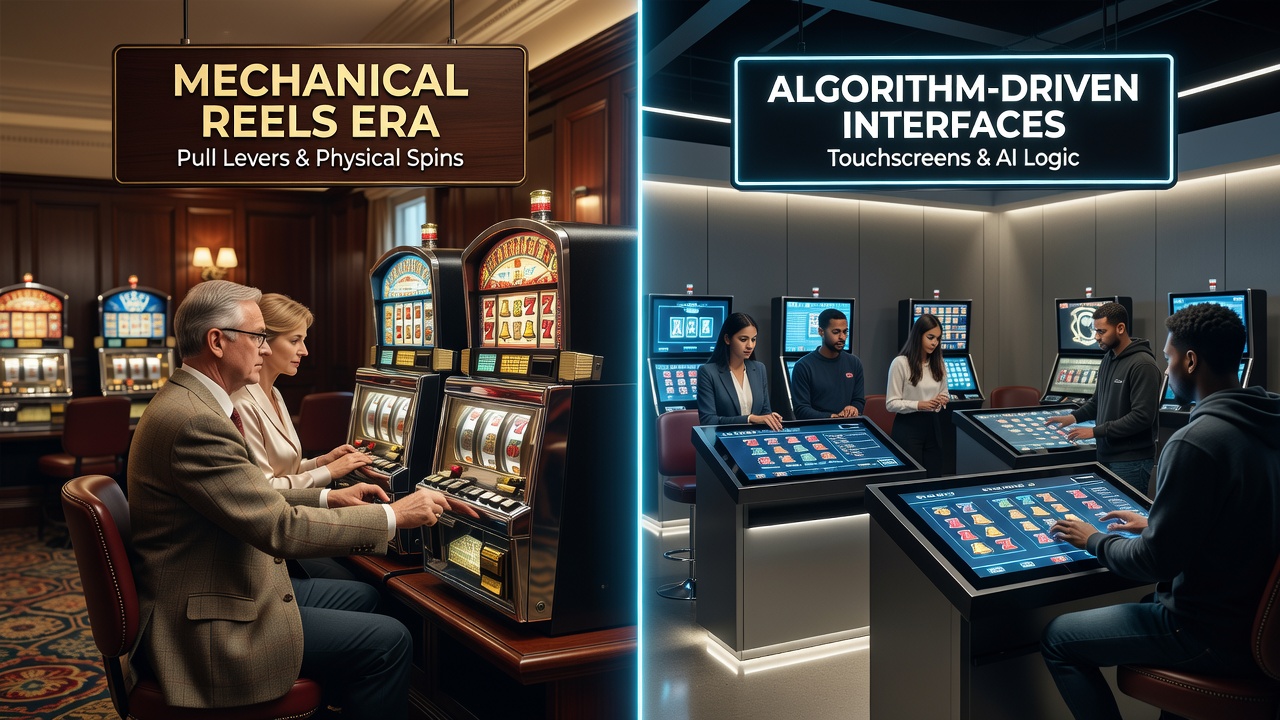
Touchscreen controls replaced lever pulls and button presses, enabling players to select bet amounts and activate features through digital menus that respond instantly to inputs, whereas mechanical machines required direct force on physical components. Those who've visited updated British casinos find terminals grouped in configurations that maximize floor space efficiency, since digital units occupy less depth than their reel-equipped predecessors. Research from university engineering departments highlights how high-definition screens render complex animations that enhance symbol interactions without increasing mechanical complexity, and this visual expansion supports themed games drawn from popular culture that appeal to broader audiences. Data indicates that average session lengths have remained stable even as individual game mechanics grew more intricate, suggesting the algorithmic foundation supports sustained engagement through consistent outcome delivery.
Conclusion
The progression from mechanical reels to algorithm-driven interfaces reflects broader technological adoption across British casino environments, where each advancement addressed limitations of earlier hardware while introducing new capabilities for game design and operational control. Records show this evolution occurred gradually through successive generations of equipment, culminating in systems where software algorithms govern every aspect of play from outcome generation to visual presentation. Continued development depends on ongoing certification processes and infrastructure investments that maintain reliability across networked installations.