Touchscreen Interfaces Reshaping Engagement Patterns in Mobile Reel Entertainment
Nils Lorenz · May 27, 2026
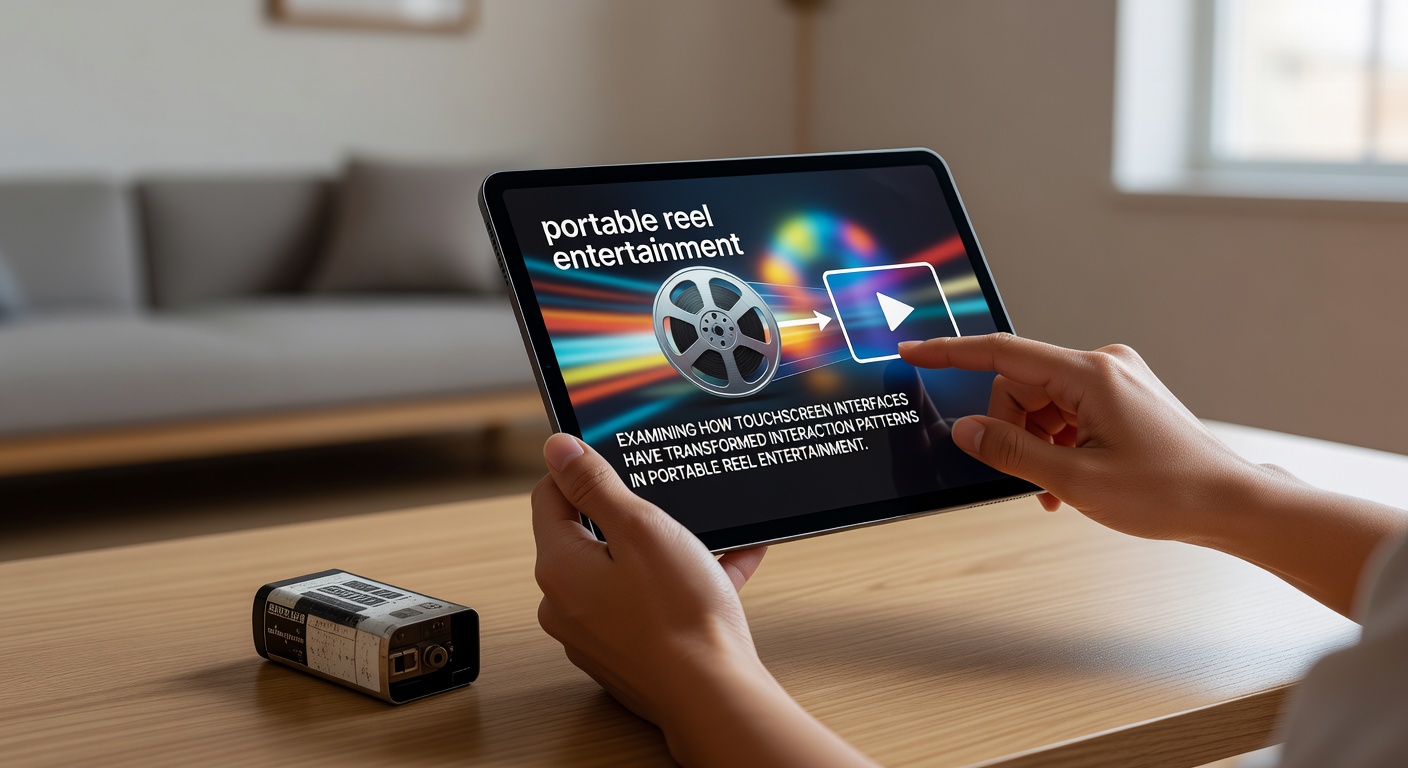
Touchscreen Interfaces Reshaping Engagement Patterns in Mobile Reel Entertainment
Portable reel entertainment has undergone significant shifts since the widespread adoption of touchscreen technology in mobile devices, and observers note that these changes have altered how users engage with digital reels across various platforms. Research from the Human-Computer Interaction Laboratory at the University of Maryland indicates that gesture-based controls replaced traditional button inputs, leading to more fluid session patterns where players adjust bet sizes or trigger spins through taps and swipes rather than physical presses.
Early Adoption and Initial Shifts in User Behavior
Before touchscreens became standard in portable devices, reel entertainment relied on keypads and directional pads that required precise navigation through menus, yet the transition began around 2007 with the introduction of capacitive screens on consumer smartphones. Data from industry reports compiled by the Interactive Games and Entertainment Association in Australia shows that interaction times decreased as users adapted to direct manipulation, allowing quicker access to game features like payline selections and bonus rounds without layered button sequences.
Those who studied early mobile reel implementations found that users developed new habits, such as holding devices in one hand while using thumb gestures for continuous play, and this pattern spread as screen sizes stabilized between 4.5 and 6 inches. The reality is that multi-touch capabilities introduced pinch-to-zoom functions for examining reel details, which extended session durations in some cases because players could inspect symbols more closely during pauses.
Gesture Integration and Pattern Evolution
Modern touchscreen interfaces incorporate swipe mechanics for reel spins alongside tap confirmations for stake adjustments, and studies conducted by researchers at the Technical University of Denmark reveal that these elements reduced cognitive load compared to earlier menu-driven systems. Users now combine multiple gestures in single sessions, such as swiping to initiate play while simultaneously adjusting audio levels through side-screen controls, creating layered interaction sequences that were not feasible with physical buttons.
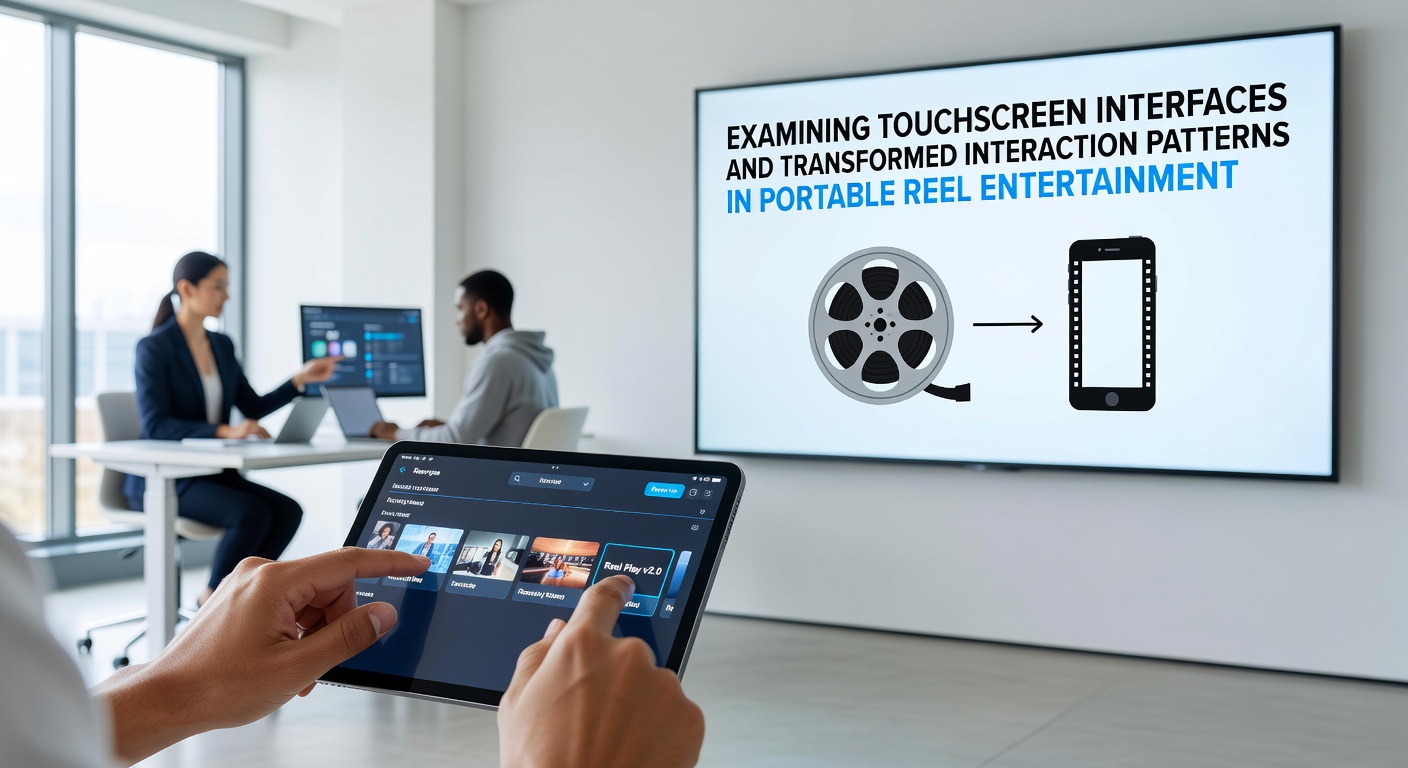
What's interesting is how accelerometer integration works alongside touch inputs to enable tilt-based features in certain reel titles, allowing device orientation changes to influence game elements without additional screen contact. Figures from the Canadian Interactive Digital Entertainment Association indicate that adoption of such hybrid controls rose steadily through 2025, with projections pointing to further refinements expected by May 2026 during upcoming developer conferences focused on mobile input innovations.
Accessibility Enhancements and Broader Reach
Touchscreen designs have incorporated larger tap zones and customizable gesture sensitivity, which expanded access for users with varying motor skills according to findings published in accessibility research from the University of Toronto. Portable reel entertainment benefited as interfaces adapted to support one-handed operation through edge-swipe menus, reducing the need for two-handed precision that characterized older portable hardware.
Observers note that session analytics collected across platforms demonstrate shorter but more frequent interactions, since touch-enabled devices permit instant launches from lock screens or notification centers without full app navigation. This pattern contrasts with desktop reel systems that often required dedicated setup time, and evidence from European gaming technology reports confirms that average daily engagement minutes per user increased as friction points diminished.
Future Directions in Interface Refinement
Developments in haptic feedback combined with touchscreens continue to simulate reel resistance and symbol landings, providing tactile confirmation that mirrors physical machines while maintaining portability. Research indicates that upcoming software updates scheduled for release phases in 2026 will refine pressure-sensitive inputs, enabling variable bet levels based on touch intensity rather than separate selection screens.
And yet the core transformation remains rooted in how direct screen manipulation replaced intermediary controls, fostering immediate responsiveness that aligns with mobile usage contexts like commuting or brief breaks. Industry organizations tracking these metrics continue to document evolving patterns without predicting specific outcomes beyond observed trends.
Conclusion
Touchscreen interfaces have established new standards for interaction in portable reel entertainment by prioritizing gesture efficiency and device integration, with documented changes in user behavior supported by academic and regional association data. Continued refinements through 2026 suggest further evolution in how these systems accommodate diverse engagement styles across global markets.