Volatility Patterns and Their Effects on Session Durations in Video Reel Games
Dana Becker · Jul 8, 2026
Volatility Patterns and Their Effects on Session Durations in Video Reel Games
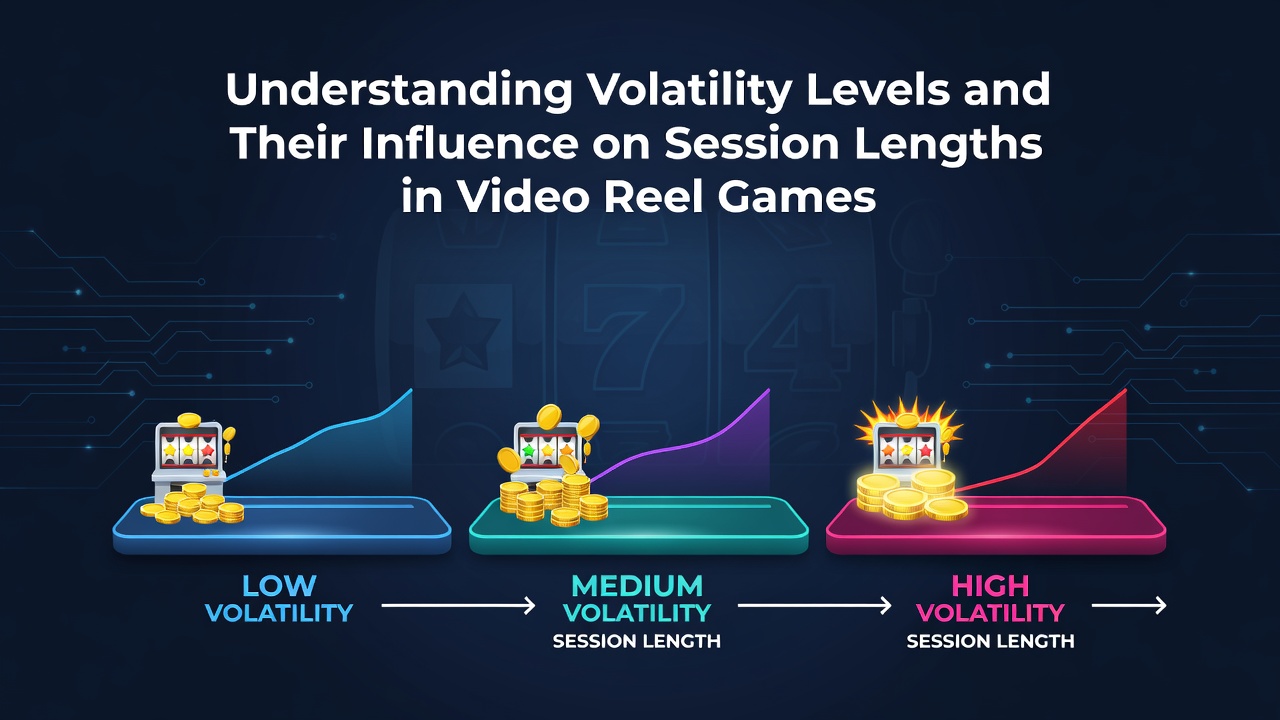
Video reel games operate on mathematical models where volatility determines the frequency and size of payouts while directly shaping how long individual sessions tend to last and researchers tracking player data across multiple jurisdictions have documented consistent patterns in this relationship since the early 2000s.
Defining Volatility in Video Reel Games
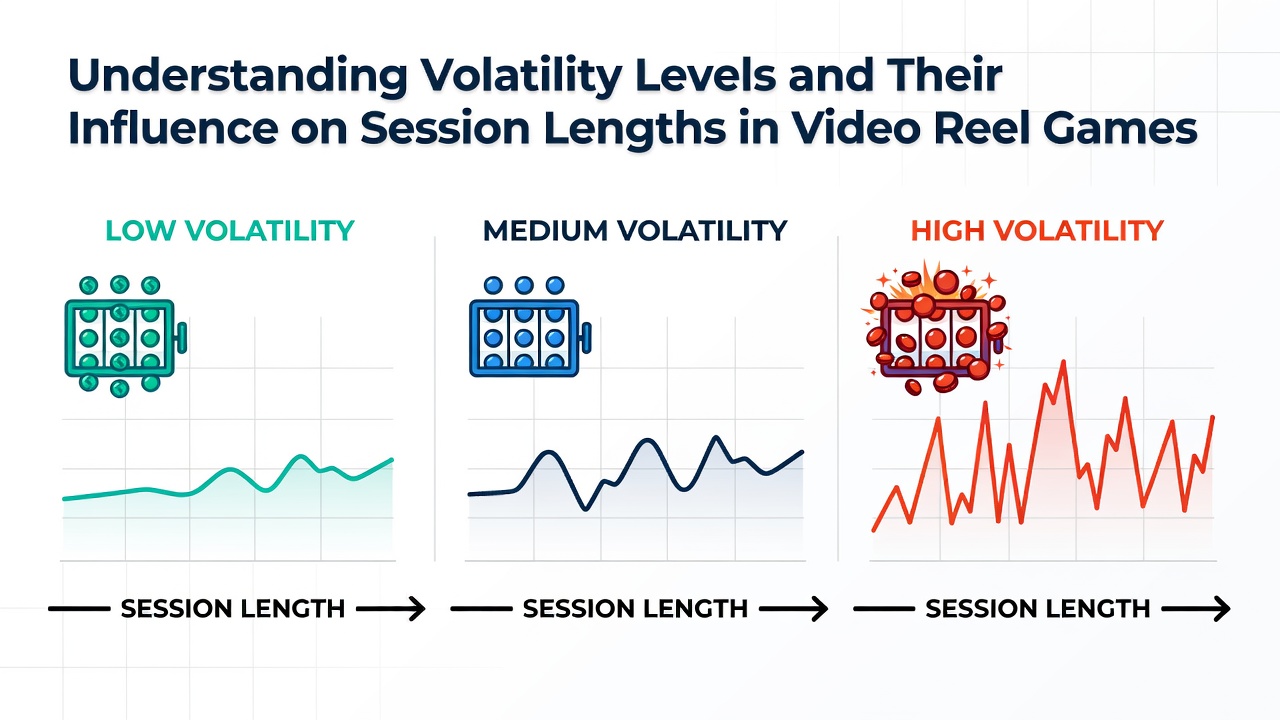
Volatility refers to the risk level embedded in a game's payout structure with low-volatility titles delivering smaller wins at regular intervals and high-volatility options producing larger but less frequent payouts according to industry analyses published by the Nevada Gaming Control Board in their annual slot performance reports. Medium-volatility games sit between these extremes offering a balanced distribution that many operators adjust through reel weighting and bonus trigger rates. Observers note that these categories remain stable across most video reel formats because game developers calibrate return-to-player percentages alongside volatility settings during the certification process required by regulatory bodies.
Low Volatility and Extended Session Patterns
Games classified as low volatility encourage longer playing periods because frequent small returns keep credit balances stable for extended stretches and data collected from North American casino floors shows average session lengths increasing by 25 to 40 percent when players select these titles. The steady stream of minor wins reduces the rate at which players deplete their starting funds while the absence of dramatic swings maintains engagement without triggering rapid exits. Studies from Canadian provincial gaming commissions confirm that low-volatility configurations correlate with higher repeat-visit rates because participants experience fewer abrupt balance drops that might otherwise prompt them to stop after short bursts of activity.
High Volatility and Condensed Session Durations
High-volatility video reel games produce shorter sessions on average because long dry spells between substantial payouts accelerate balance depletion and figures released by the Australian Institute of Family Studies indicate that players on these machines typically conclude activity within 15 to 25 minutes when starting with standard credit loads. The potential for large single payouts draws participants seeking infrequent but significant returns yet the mathematical structure means most spins yield nothing which compresses overall playtime. Researchers examining European casino data have observed similar compression effects where high-volatility selections lead to quicker session endings especially among those who set strict loss limits before beginning.
Medium Volatility as a Transitional Option
Medium-volatility titles generate session lengths that fall between the two extremes and operators often position these games in high-traffic areas because they accommodate both casual visitors seeking moderate entertainment and more experienced players who prefer occasional larger outcomes. Reports compiled by the New Jersey Division of Gaming Enforcement through June 2026 reveal that medium-volatility machines maintain session durations roughly 15 percent longer than high-volatility counterparts while delivering payout frequencies closer to low-volatility models during bonus rounds. This positioning allows casinos to balance floor space allocation with player retention goals since the middle range reduces the extremes that either prolong or truncate visits too dramatically.
External Factors Modifying Volatility Effects
Session length remains subject to influences beyond core volatility settings including bonus feature frequency stake size selections and time-of-day traffic patterns that operators monitor through centralized management systems. Progressive jackpot linkages can temporarily elevate perceived volatility even on base games rated as medium because the accumulating prize pool alters payout expectations and subsequent player behavior. Data aggregated by the European Gaming and Betting Association shows that promotional events scheduled for July 2026 across multiple markets temporarily shift session distributions as players migrate toward higher-volatility titles during limited-time multiplier campaigns while returning to lower-volatility preferences once those offers conclude.
Player Behavior Observations Across Volatility Tiers
Those who study gambling patterns report that individuals often migrate between volatility categories within a single visit depending on their current balance and time constraints and this movement produces hybrid session profiles that deviate from pure category averages. Automated player tracking systems installed in regulated venues capture these transitions by logging game switches and credit fluctuations in real time. Academic researchers at institutions such as the University of Nevada Reno have published peer-reviewed papers demonstrating that informed adjustments to volatility exposure can extend or shorten total play duration according to individual risk tolerance thresholds.
Conclusion
Volatility levels establish predictable frameworks that influence session lengths in video reel games while external variables and player decisions introduce measurable variations around those baselines. Regulatory reports and academic examinations continue to document these relationships across different markets providing operators and analysts with data points that inform game placement and feature design decisions. Understanding the interplay between volatility settings and session duration remains essential for interpreting operational trends that shape the broader video reel gaming landscape.